Keloid Injections
KELOID & HYPERTROPHIC SCAR TREATMENT IN LOS ANGELES, CALIFORNIA
Keloid scars can become raised, firm, itchy, uncomfortable, and more noticeable over time. If you are looking for hypertrophic scar treatment or keloid scar treatment in Los Angeles, DSC Laser & Skin Care Center offers personalized treatment options designed to help flatten and soften hypertrophic scars, keloids, improve scar discoloration, and reduce symptoms such as itching or discomfort at scar sites.
What is a Keloid?
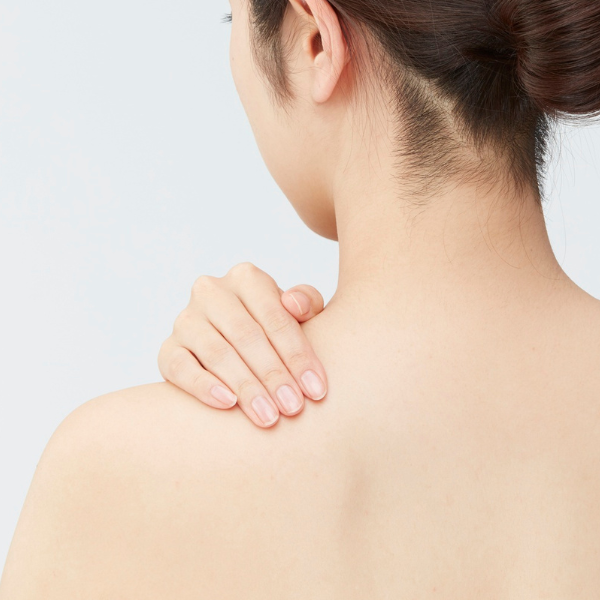
A keloid is a form of hypertrophic (raised) scar that grows beyond the boundaries of the original injury. This excessive growth is what distinguishes a keloid from a hypertrophic scar. This is due to an overproduction of fibroblasts during the healing process and is thought to be influenced strongly by genetics. In layman’s terms, a keloid is a scar that doesn’t know when to stop growing. Keloids tend to grow or expand along axes of prevailing skin tension, which often gives them characteristic shapes depending on location. Because the edges of a keloid generally experience more skin tension than the center, keloids tend to form crab claw or dumbbell shapes. Common areas of keloid scarring include: the anterior chest wall, shoulders, upper back, jawline, ears or piercing sites, surgical incisions, tattoo sites, burn sites, and areas of dermal injury. While keloids are benign (non-cancerous) skin growths, they can often be red/pink/brown/darker than surrounding skin, itchy, tender, painful, sensitive, and grow larger over time. Uncontrolled keloid growth can even impede movement depending on location.
How to Treat Keloid and Hypertrophic Scars?
Keloid scars and hypertrophic scars have various treatments, including: corticosteroid injection, surgical excision, radiation therapy, cryogen therapy, pressure dressings, and even laser treatments. While keloid and hypertrophic scar treatments are similar, keloid treatments are more complicated and usually require more followup treatments due to the natural tendency for keloids to reoccur. Hypertrophic scar treatments focus on improving scar texture, pliability, size, and color; keloid scar treatments further involve recurrence prevention. For example, surgical keloid excision is generally paired with another form of treatment (e.g. radiation and/or pressure dressings) because the excision procedure itself can actually incite further keloid development. While there is no singular “best” treatment option for keloid scars because of recurrence rate and their strong genetic linkages, combination treatment is generally the rule of thumb.
At DSC, we treat keloid scars with a combination cocktail of injected corticosteroid and 5FU (5-fluorouracil) to reduce the size of keloid scarring and to prevent regrowth. While intralesional corticosteroid injections are the standard treatment for shrinking keloid scarring, high dosages can have systemic effects, such as: menses interruption, fluid retention, increased appetite, weight gain, difficulty sleeping, etc. Furthermore, recurrence of keloid growth tends to be more common with just corticosteroid treatment alone. Combination intralesional treatment with 5FU helps reduce corticosteroid dosage and reduces keloid recurrence.
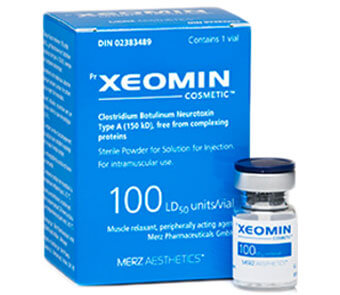
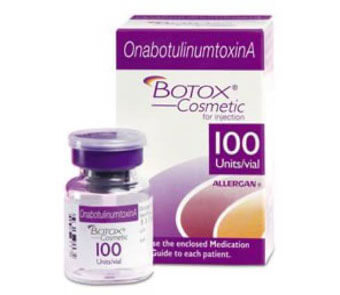
Vascular laser treatments can also be done in combination with intralesional injections to reduce keloid discoloration. These tend to be more successful when keloids are flatter after adjunctive treatments (due to difficulty of laser energy penetration in fibrotic tissue). Fractional laser resurfacing plus topical application of corticosteroids/5-FU can also be a successful method of treatment for wider/flatter keloid scars or hypertrophic scars. For keloid scarring that is excessively itchy or painful, adjunctive usage of neuromodulators/neurotoxins (e.g. Botox, Dysport, Xeomin, Letybo) can also be considered to provide temporary relief from neuropathy.
If a raised scar is becoming larger, itchy, uncomfortable, or cosmetically bothersome, professional evaluation can help determine whether it may be a keloid and which treatment options may be appropriate. Contact DSC Laser & Skin Care Center in San Gabriel, Los Angeles to schedule a complimentary consultation. Our team can evaluate your skin and recommend a personalized treatment plan for treating keloids or treating hypertrophic scars based on your skin, concerns, and goals!
FAQ’s
How many keloid injections do I need?
What are the side effects and risks?
Is Keloid injection painful?
Client’s Testimonials
A Bit of Our Trusted Reviews
Fillers and Injections
Cosmetic Procedures – Skin Care – Body Treatments
Botox
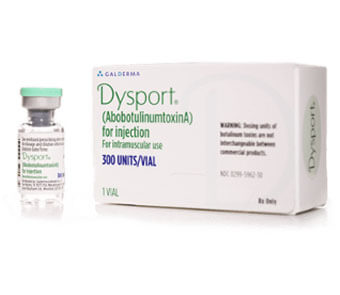
Dysport