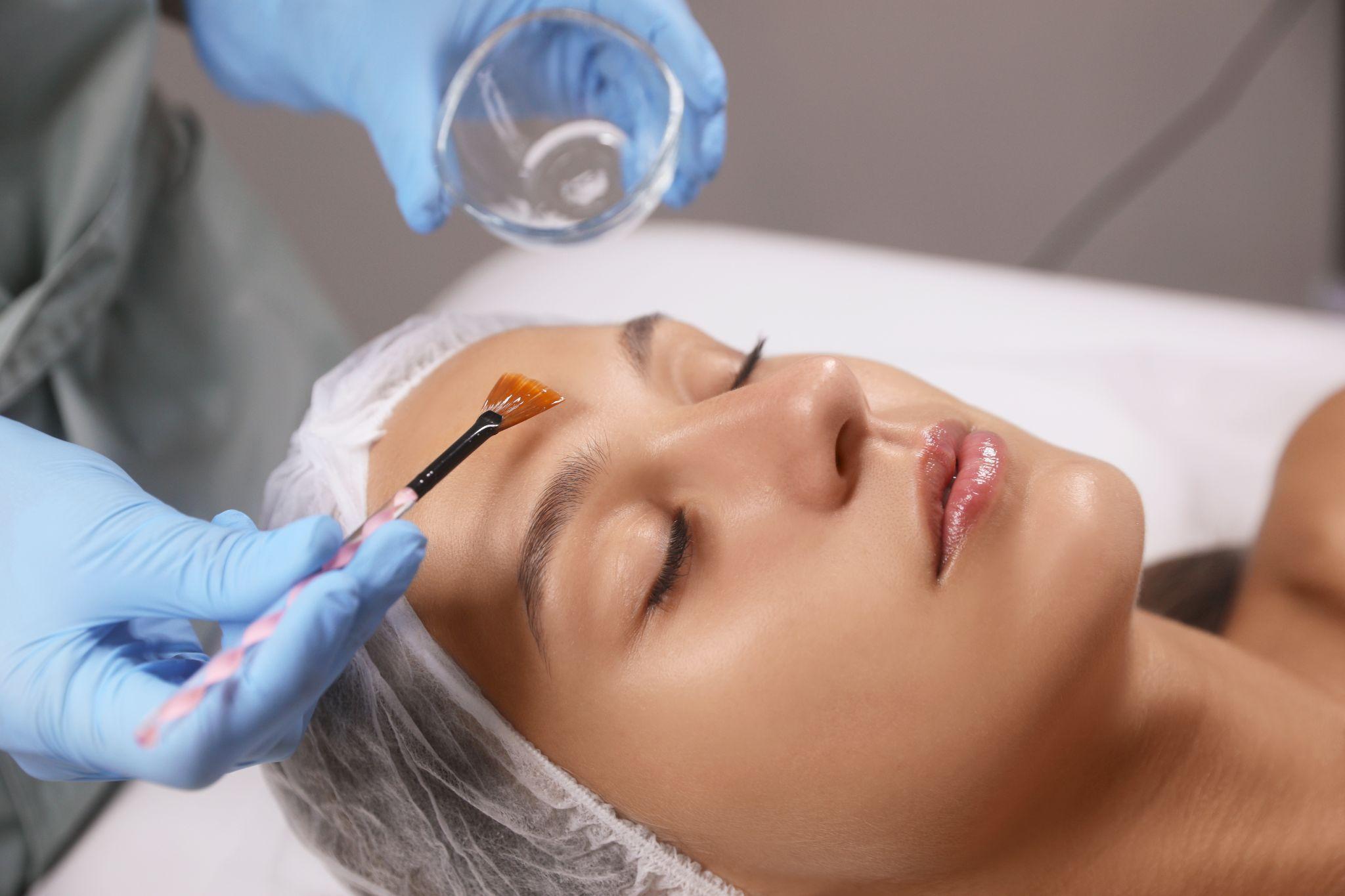
Many patients come to our clinic asking the same question.
How do I fade dark spots fast without damaging my skin?
The good news is that modern chemical peel treatments can effectively treat hyperpigmentation and help restore a more even skin tone.
A properly selected chemical peel for hyperpigmentation removes damaged skin layers, stimulates new skin growth, and helps evenly pigmented skin to emerge. When done under medical supervision, these treatments safely improve skin texture and tone, fade melasma, and reduce discoloration caused by acne or sun damage.
At DSC Laser and Skin Center in Los Angeles, our team designs a treatment plan based on your skin type and pigmentation concerns. The goal is simple. Help you achieve clearer, smoother, and brighter skin without unnecessary risk.
📋What You’ll Learn in This Article
If you’re dealing with dark spots or uneven skin tone, here’s what this guide will help you understand.
- What causes hyperpigmentation and why dark spots are common in sunny cities like Los Angeles
- How a chemical peel for hyperpigmentation works to remove damaged skin cells and reveal brighter skin
- The different types of chemical peels, including light peels, medium-depth peels, and deep peels
- Which peel ingredients like glycolic acid, lactic acid, and salicylic acid help improve skin tone
- How many chemical peel treatments are usually needed to fade dark spots
- What to expect during a chemical peel treatment and recovery
- The additional benefits of peels, including smoother skin texture and reduced fine lines
- Who is a good candidate for peels for hyperpigmentation and when they may not be recommended
- How professional providers create a treatment plan based on your skin type
By the end of this article, you’ll understand how chemical peels help treat hyperpigmentation and improve skin texture and tone, and how to choose the right treatment for your skin.
Many patients come to our clinic asking the same question. How do I fade dark spots fast without damaging my skin? The good news is that modern chemical peel treatments can effectively treat hyperpigmentation and help restore a more even skin tone.
A properly selected chemical peel for hyperpigmentation removes damaged skin layers, stimulates new skin growth, and helps evenly pigmented skin to emerge. When done under medical supervision, these treatments safely improve skin texture and tone, fade melasma, and reduce discoloration caused by acne or sun damage.
At DSC Laser and Skin Center in Los Angeles, our team designs a treatment plan based on your skin type and pigmentation concerns. The goal is simple. Help you achieve clearer, smoother, and brighter skin without unnecessary risk.
Understanding Hyperpigmentation: What Causes Dark Spots?
Hyperpigmentation happens when certain areas of the skin produce more melanin than others. Melanin is the pigment that gives your skin color. When production becomes uneven, dark spots and patches appear.
Research shows that several triggers increase melanin production. The most common causes include UV radiation, inflammation, hormones, and skin injury. These triggers activate pigment cells called melanocytes, which release melanin into surrounding skin cells.
According to the National Institutes of Health, conditions like melasma and post-inflammatory hyperpigmentation often occur after inflammation or prolonged sun exposure.
Pigmentation may develop slowly over time or appear quickly after irritation. Either way, treatment works best when you address the root cause and the damaged skin layers.
Types of Pigmentation Chemical Peels Can Treat
Different pigmentation issues respond well to peels for hyperpigmentation. Identifying the type of discoloration helps determine the best peel options.
Common types include:
- Sun spots caused by long-term sun exposure
- Melasma, often triggered by hormonal changes
- Post-inflammatory hyperpigmentation from acne or injury
- Age spots, also called liver spots
- Pigmented acne scars
Chemical peels work because exfoliating acids dissolve pigmented skin cells and stimulate the growth of healthier skin.
Why Hyperpigmentation Is So Common in Los Angeles
Southern California has beautiful weather, but the climate also increases pigment problems.
Three factors drive higher pigmentation rates in sunny cities.
- Year-round UV exposure triggers melanin production.
- Outdoor lifestyles increase sun exposure.
- Cumulative sun damage builds over decades.
Even brief daily exposure without sunscreen can cause pigmentation. Over time, these small exposures lead to uneven skin tone and sun spots.
What Is a Chemical Peel?
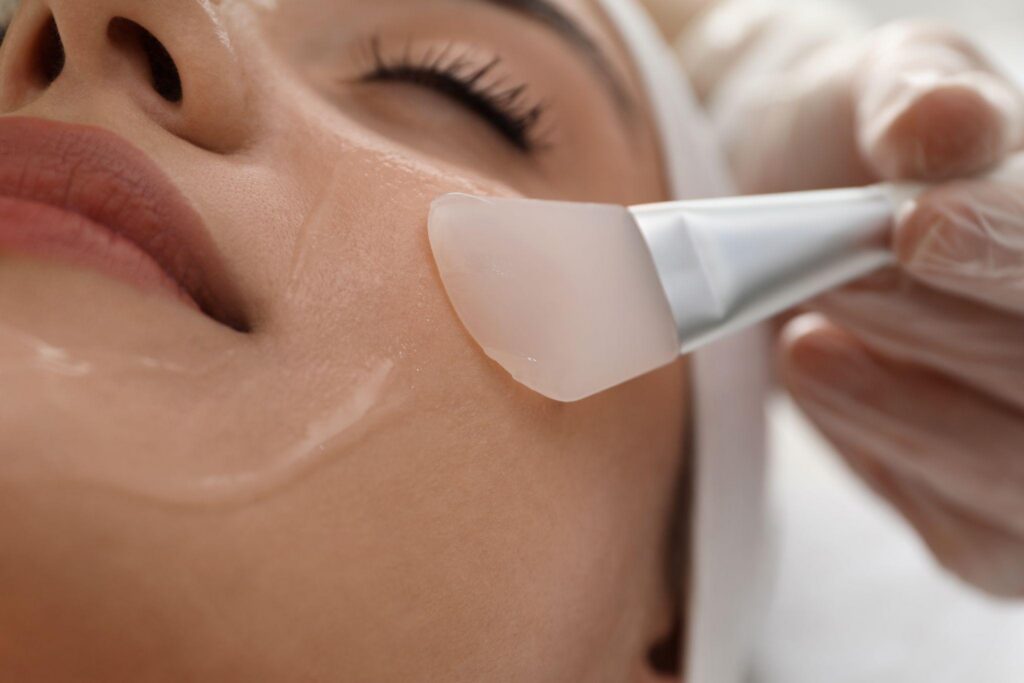
A chemical peel is a controlled skin resurfacing treatment. A medical provider applies a chemical solution that exfoliates the outer layers of your skin.
The process removes dead skin cells and damaged skin layers. Fresh cells then replace them, creating smoother and brighter skin.
According to the Mayo Clinic, chemical peels improve sun damage, acne scars, uneven skin tone, and fine lines.
How Chemical Peels Work to Reduce Pigmentation
To understand why peels help, think about how pigment sits in the skin.
Pigmented cells live mainly in the upper skin layers. When a peel exfoliates those layers, it removes the cells holding excess melanin.
Chemical peels work in three main ways:
- Acids dissolve pigmented skin cells
- Dead skin cells are removed
- New skin develops with more even pigmentation
Over time, the treated skin becomes brighter and more evenly pigmented.
Why Medical Supervision Matters
Chemical peels may sound simple, but the strength of the acids matters. Using the wrong peel can irritate the skin or worsen pigmentation.
Professional dermatology providers evaluate:
- Skin type
- Pigmentation depth
- Sensitivity levels
- Previous treatments
A medical spa like DSC ensures that the type of peel matches your skin and your goals.
Types of Chemical Peels for Hyperpigmentation
Chemical peels are not one-size-fits-all. Dermatology providers select a peel strength based on how deep the pigmentation sits in the skin.
Superficial Peels for Mild Hyperpigmentation
Light chemical peels target the outer skin layer. These treatments are often called superficial peels or light peels.
Common ingredients include:
- Glycolic acid
- Lactic acid
- Salicylic acid
These peels help treat:
- Mild hyperpigmentation
- Uneven skin tone
- Dull or rough skin texture
Patients often choose glycolic acid peels because they gently exfoliate the skin and improve skin texture with minimal downtime.
Medium Peels for Moderate Pigmentation
Medium chemical peels penetrate deeper into the skin. These treatments remove more damaged skin cells and improve stubborn discoloration.
A common ingredient is trichloroacetic acid (TCA).
Medium-depth peels treat:
- Moderate hyperpigmentation
- Acne scars
- Uneven skin tone
Recovery usually includes several days of peeling as the skin heals and regenerates.
Deep Chemical Peels for Severe Pigmentation
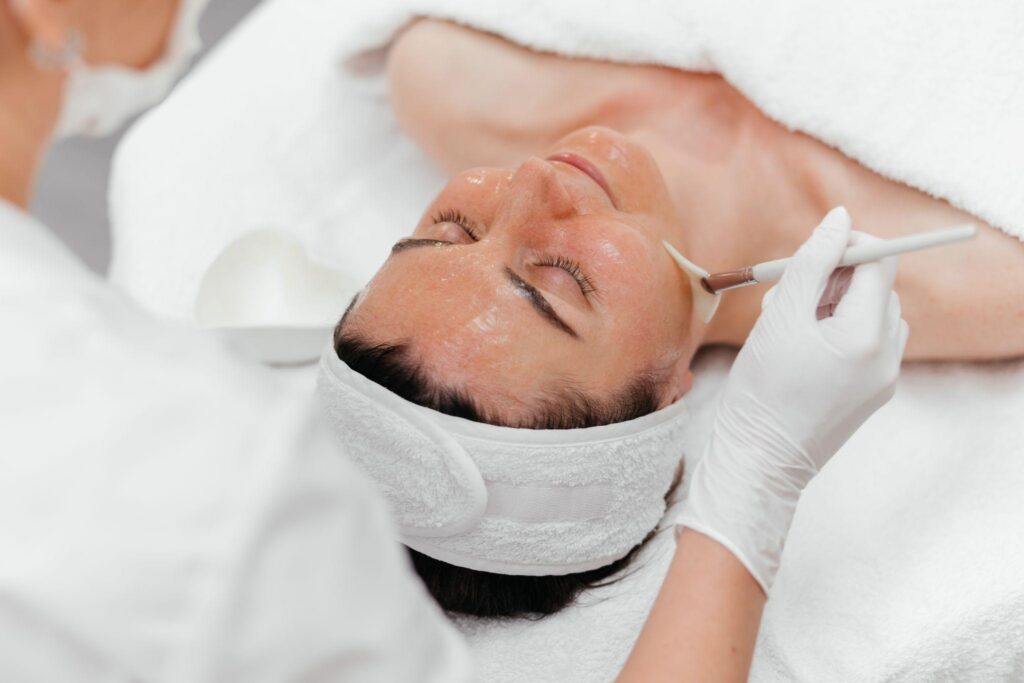
Deep peels reach the deeper skin layers. These treatments produce dramatic improvement for severe sun damage and pigmentation.
Deep chemical peels may require more recovery time, but they can significantly improve skin texture and tone.
Because they affect deeper skin layers, these treatments must be performed under medical supervision.
Comparing the Main Types of Chemical Peels
| Type of Peel | Depth | Common Ingredients | Best For | Downtime |
| Light chemical peel | Surface layer | Glycolic acid, lactic acid | Mild hyperpigmentation, dull skin | Minimal |
| Medium chemical peel | Middle skin layers | Trichloroacetic acid | Acne scars, moderate pigmentation | Several days |
| Deep chemical peel | Deeper skin layers | Phenol or strong TCA | Severe sun damage, deep discoloration | Longer recovery |
The Chemical Peel Treatment Process at DSC Laser and Skin Center
Every patient has different skin needs. That is why chemical peel treatments start with a careful evaluation.
Personalized Consultation
During your first visit, we assess:
- Skin type and sensitivity
- Types of melasma or pigmentation
- Previous treatments
- Medical history
This step helps us create a treatment plan designed to improve skin safely.
What Happens During the Chemical Peel Treatment
The treatment itself is straightforward.
The provider first cleanses the skin. Next, a chemical solution is applied to the targeted areas.
The acids begin to exfoliate the skin. This process removes dead skin cells and damaged skin layers.
After a few minutes the peel is neutralized and soothing products are applied.
Most facial peel treatments take about 20 to 30 minutes.
Recovery and Aftercare
After treatment the skin may feel tight or slightly red. Over the next few days the treated skin begins to peel.
Important aftercare steps include:
- Wearing sunscreen daily
- Avoiding strong skincare products
- Keeping the skin moisturized
Proper aftercare helps protect the treated skin and supports new skin growth.
How Many Chemical Peels Are Needed to Fade Dark Spots?
One peel rarely removes stubborn pigmentation completely. Most patients see the best results with a series of treatments.
Typical Treatment Plans
The number of peel treatments depends on the depth of pigmentation.
Typical treatment plans include:
- Mild hyperpigmentation: 3 to 4 peels
- Moderate pigmentation: 4 to 6 peels
- Severe discoloration: longer treatment series
Studies in dermatology show that repeated peels improve pigmentation gradually and safely.
Factors That Affect Results
Several factors influence treatment success.
These include:
- Skin type
- Depth of pigmentation
- Sun exposure habits
- Consistency with skincare
Patients who protect their skin from the sun usually see faster improvement and longer lasting results.
Maintenance Peels
Maintenance peels help keep your skin clear after the initial series.
Most patients benefit from maintenance peels every few months to maintain an even skin tone.
Benefits of Chemical Peels Beyond Pigmentation
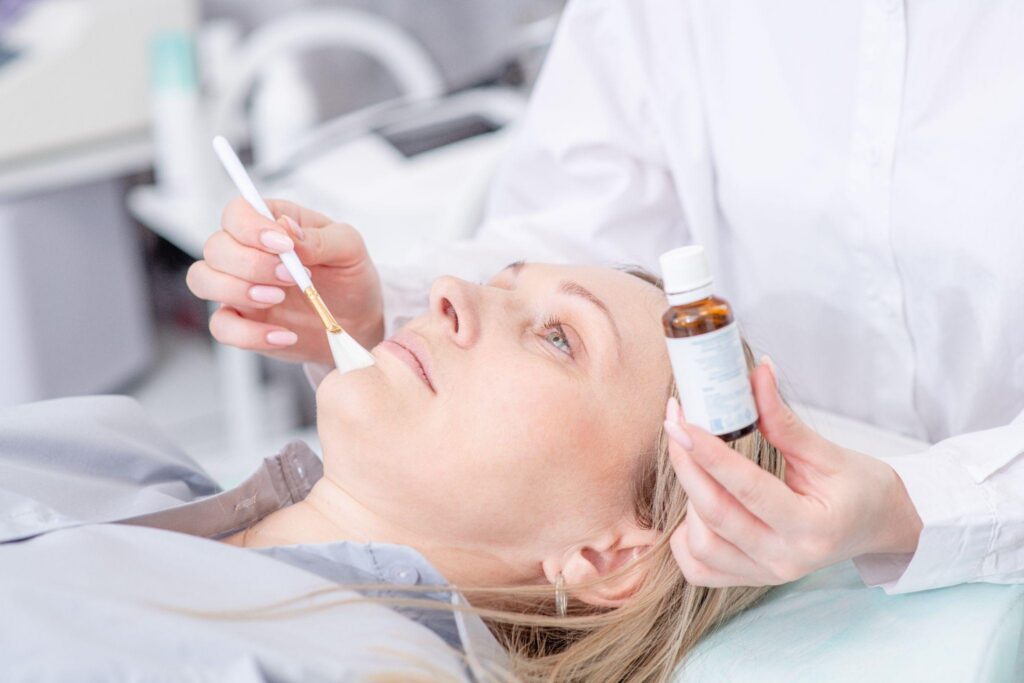
Chemical peels do more than fade dark spots. They improve several aspects of overall skin health.
- Improved Skin Texture – Peels remove rough dead skin cells. This process leaves the skin feeling smoother and softer.
- Brighter and More Even Skin Tone – Removing pigmented cells reveals brighter skin underneath. Many patients notice their complexion looks clearer and more radiant.
- Reduction in Fine Lines – Chemical peels stimulate collagen production. This helps reduce fine lines and early wrinkles.
- Acne and Pore Improvement – Certain peels also reduce acne by unclogging pores and removing oil buildup.
Chemical peels can treat acne, discoloration, and aging signs simultaneously.
Why Choose DSC Laser and Skin Center in Los Angeles
Choosing the right provider matters. Chemical peels must match your skin type and your pigmentation condition.
At DSC Laser and Skin Center, we focus on safe and medically guided skin treatments.
Our clinic offers:
- Experienced medical professionals
- Advanced peel options
- Treatment plans based on your skin
- Long-term skin health strategies
For more than 20 years, DSC has served patients across Los Angeles and the San Gabriel Valley.
Our team works closely with you to achieve the best possible skin results.
Frequently Asked Questions
1. Do chemical peels really remove dark spots?
Yes. Chemical peels remove pigmented skin cells and damaged skin layers. Over time, repeated treatments fade dark spots and improve uneven skin tone.
2. How long does it take to see results from a chemical peel?
Many patients notice brighter skin within one to two weeks. More stubborn pigmentation improves gradually over several treatments.
3. Are chemical peels safe for darker skin?
Yes, when performed by experienced dermatology professionals. The provider selects a specific peel suitable for darker skin tones to avoid irritation.
4. Do chemical peels hurt?
Most light chemical peels cause mild tingling or warmth. Medium peels may cause stronger sensations for a few minutes but remain tolerable.
5. Can chemical peels treat melasma?
Yes. Chemical peels for melasma can reduce discoloration when combined with sun protection and medical skincare.
Final Words – Clearer Skin Starts With The Right Treatment
Dark spots and uneven skin tone are extremely common in sunny cities like Los Angeles. Sun exposure, acne, and aging often leave behind pigmentation that does not fade on its own.
A medically supervised chemical peel treatment can remove damaged skin layers, stimulate new skin growth, and restore a more even skin tone.
At DSC Laser and Skin Center, we design treatment plans based on your skin type, pigmentation concerns, and long-term skin health goals.
Ready to fade dark spots and restore an even skin tone? Book your consultation at DSC Laser and Skin Center today to find the right chemical peel treatment for your skin.