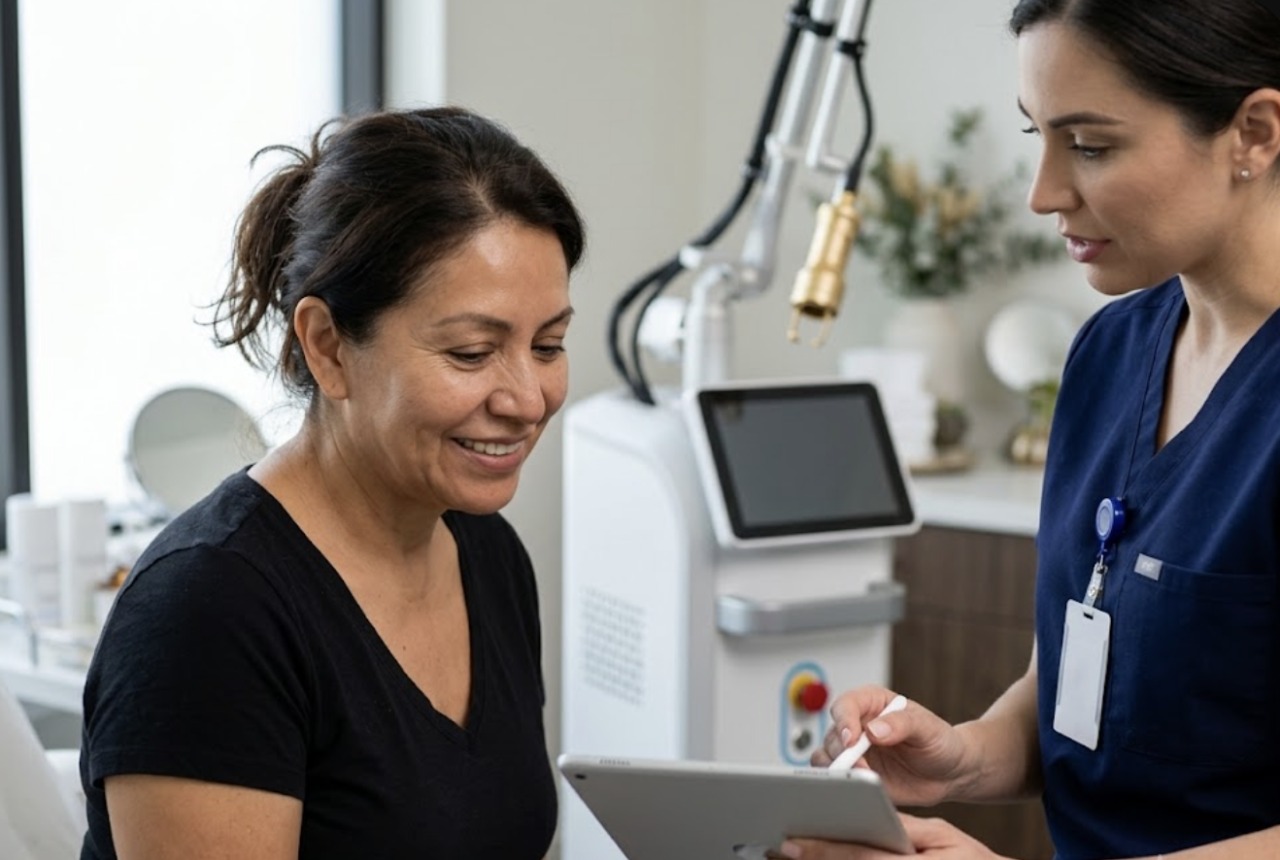
The biggest question many patients have before CO2 laser resurfacing is not what the treatment can address. It is how long the redness, peeling, swelling, and visible healing will last.
A clear CO2 laser recovery timeline can make treatment planning easier. The first several days usually require the most care, while pinkness and sensitivity may remain after the skin stops peeling. Recovery also varies based on treatment depth, laser settings, skin type, and the size of the treated area.
This guide explains what Los Angeles patients may experience during each stage, how to care for healing skin, and when to contact the treatment team.
What You’ll Learn From This Article
- What happens to the skin during CO2 laser resurfacing
- What recovery may look like during the first 24 hours, first week, and following month
- How to care for the treated area without disrupting the new skin
- Why redness may last longer than peeling
- How sun exposure in Los Angeles can affect recovery
- Which symptoms should prompt a call to your provider
What Happens to the Skin During CO2 Laser Resurfacing?
CO2 laser resurfacing uses controlled laser energy to remove damaged surface tissue and stimulate a healing response beneath the skin. Providers may recommend it for concerns such as uneven skin tone, fine lines, wrinkles, rough texture, sun damage, and certain acne scars.
As the treated skin repairs itself, new skin cells replace damaged tissue. Heat delivered below the surface may also encourage collagen remodeling over time.
The treatment can range from lighter fractional resurfacing to more intensive ablative treatment. That difference has a major effect on downtime.
Fractional CO2 Laser Treatment
Fractional CO2 laser treatment creates microscopic columns of injury while leaving small areas of surrounding skin intact. Those untreated areas may help the skin repair itself more quickly than a fully ablative treatment would.
Even so, fractional treatment can still cause redness, swelling, oozing, pinpoint crusts, and peeling. A stronger fractional session may involve more downtime than a light resurfacing treatment.
More Intensive Ablative Resurfacing
A more intensive ablative treatment removes more surface tissue. A provider may consider this approach for deeper wrinkles, more pronounced sun damage, or certain scars.
Because more tissue is treated, the healing process may take longer and require closer follow-up. Treatment depth should always reflect your skin type, medical history, treatment goals, and tolerance for recovery time.
Understanding the treatment depth gives useful context for the recovery timeline that follows.
CO2 Laser Recovery Timeline at a Glance
Initial healing after fractional CO2 laser resurfacing often takes about one to two weeks, although visible redness may continue for longer. Deeper treatment can involve a longer recovery period.
The following table offers a general guide. Your provider’s instructions should take priority because devices, settings, and treatment plans differ.
| Recovery stage | What you may notice | Main care priorities |
|---|---|---|
| First 24 hours | Heat, swelling, redness, sensitivity, and possible oozing | Cooling, prescribed ointment, gentle care |
| Days 2 to 3 | Continued swelling, bronzing, drainage, or pinpoint crusts | Clean as directed and avoid rubbing |
| Days 4 to 7 | Peeling, flaking, itching, and pink new skin | Do not pick and continue approved skincare |
| Days 7 to 14 | Less crusting, more intact skin, lingering pinkness | Moisture support and sun protection when cleared |
| Weeks 2 to 6 | Gradual reduction in redness and sensitivity | Gentle skincare and daily UV protection |
| Following months | Continued changes in texture and tone | Follow-up care and long-term skin maintenance |
Memorial Sloan Kettering Cancer Center notes that skin commonly needs about one to two weeks to heal after fractionated CO2 laser treatment. Its guidance also explains that crusting may gradually resolve during that period.
A timeline is useful for planning, but the first three days often give patients the clearest sense of how active the recovery process can be.
The First 72 Hours After CO2 Laser Treatment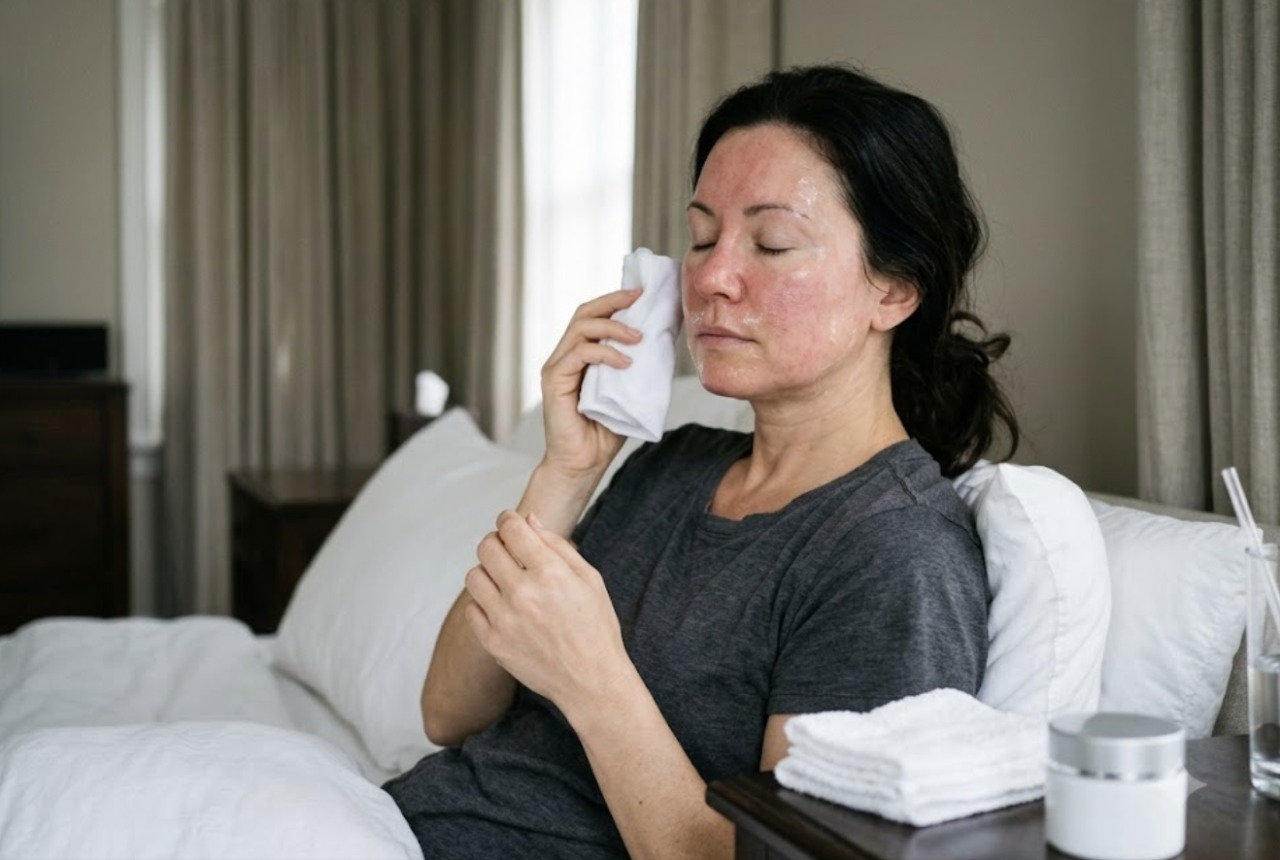
The first three days are usually the most hands-on part of CO2 laser recovery. The skin may look and feel noticeably different from normal.
Immediately After Treatment
Right after laser treatment, the treated area may feel warm, tight, tender, or like a severe sunburn. Redness and swelling are common responses to the controlled injury.
Some patients notice clear or lightly blood-tinged oozing, especially after stronger ablative treatment. The provider may apply ointment, a protective cream, or a dressing before you leave.
Cooling may help with comfort and swelling. Use only the cooling method your treatment team recommends. Ice should not be placed directly on healing skin.
Days Two and Three
Swelling may become more noticeable before it starts to settle. This is often most apparent around the eyes after full-face laser skin resurfacing.
You may also notice:
- Red or pink skin
- Tightness or tenderness
- Mild oozing
- Bronzing or darkening
- Pinpoint crusts
- A rough texture
- Mild itching
Follow the cleansing schedule provided by your treatment team. Do not scrub, peel, or apply products that were not approved for your recovery plan.
Different laser protocols may call for different ointments, cleansers, compresses, or dressings. Another patient’s routine may not be appropriate for your treatment.
Once the early swelling and drainage have settled, peeling and crusting usually become the main focus.
Days Four Through Fourteen: Peeling, Crusting, and New Skin
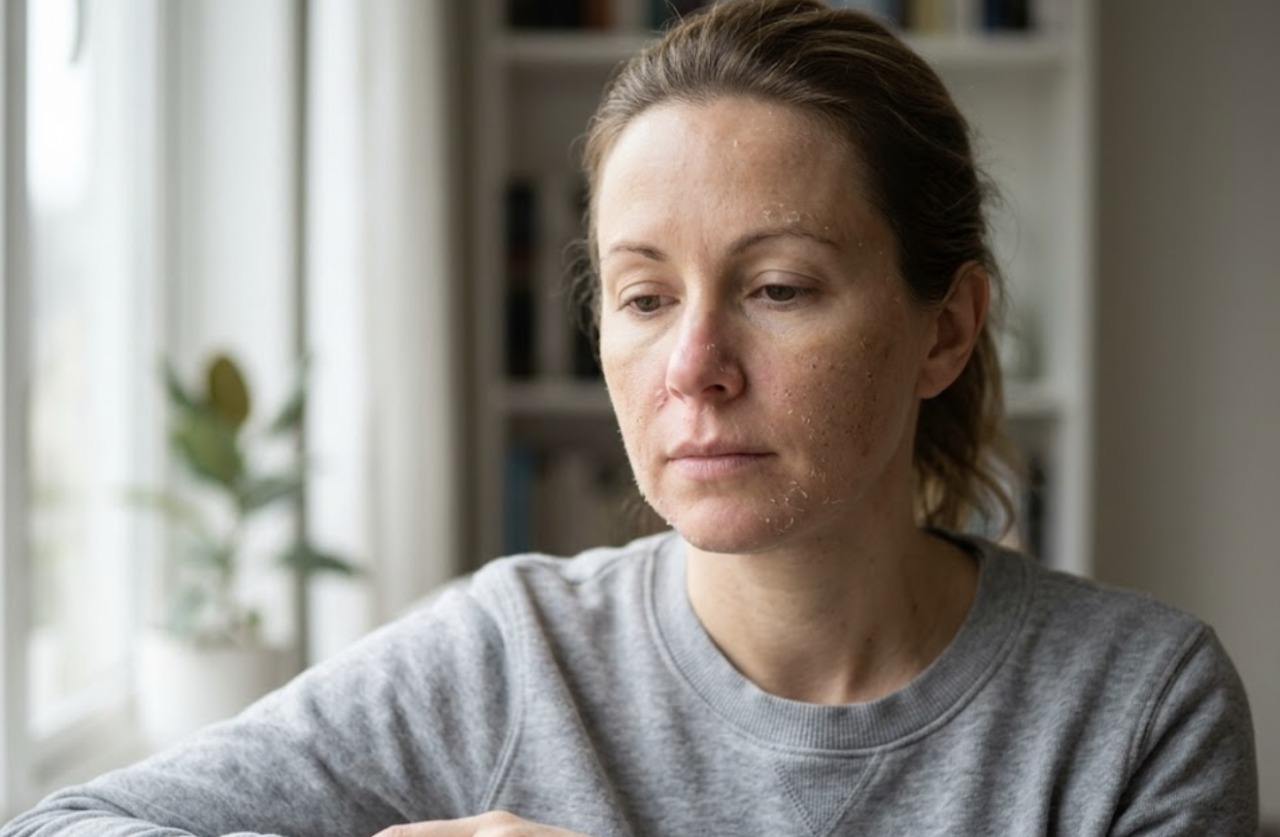
During this stage, the skin often feels dry, rough, or tight. The damaged surface tissue begins to shed, and new pink skin becomes more visible.
Days Four to Seven
The treated skin may look bronze or brown before it begins to flake. Small crusts may form over areas where the laser created microscopic treatment zones.
Allow these crusts to loosen on their own. Do not scratch, peel, or pull them off. Picking can delay healing and may increase the risk of infection, scarring, or unwanted pigment changes.
As the old tissue sheds, the new skin underneath may look pink, shiny, and more sensitive than usual.
Continue using only provider-approved skincare. Retinoids, glycolic acid, salicylic acid, benzoyl peroxide, scrubs, fragranced products, and strong vitamin C formulas may irritate healing skin.
Days Seven to Fourteen
By the second week, heavy crusting and oozing should generally have improved. The skin surface may look more intact, but redness, pinkness, dryness, and sensitivity can remain.
Many patients feel more comfortable returning to work or social activities during this period. Others need more time, particularly after deeper CO2 laser resurfacing or treatment across a large area.
Do not restart makeup simply because the peeling has stopped. Ask your provider when the skin is healed enough to use makeup, shave, exercise, and your usual skincare products.
Even when the surface looks closed, the deeper healing process is still underway.
Weeks Two Through Six: Why Redness Can Outlast Peeling
Persistent redness after peeling has ended is one of the most common concerns during CO2 laser recovery.
Surface closure does not mean the skin has finished healing. New tissue has increased blood flow and may remain pink, sensitive, or reactive while deeper repair continues.
The length of this stage may depend on:
- Treatment depth and density
- Fractional or more extensive ablative treatment
- Full face treatment versus a smaller treated area
- Baseline skin tone
- Skin sensitivity
- Tendency toward flushing or pigmentation
- Sun exposure
- Use of irritating skincare
- Individual healing response
Avoid judging your final result during these early weeks. Skin texture, tone, and firmness may continue to change as inflammation settles and collagen remodeling progresses.
Redness should generally become less noticeable over time. Contact your provider if it suddenly worsens, spreads, becomes painful, or develops increased heat, drainage, or swelling.
Daily care during this stage can help protect the skin while it continues to repair.
CO2 Laser Aftercare That Supports Healing

Good aftercare cannot guarantee a specific outcome, but it can reduce avoidable irritation and help protect the treated area. Follow the written instructions from the provider who performed your laser treatment.
Clean the Treated Area Only as Directed
Wash your hands before touching your face. Use the cleanser, water source, compress, or dressing method listed in your instructions.
Avoid:
- Facial cleansing brushes
- Scrubs or exfoliating cloths
- Hot water
- Forceful rubbing
- Home remedies
- Unapproved topical products
Care protocols differ based on laser depth, treatment location, and dressing type. Do not copy a routine from social media or another patient.
Protect the Skin Barrier
Your provider may recommend an ointment or moisturizer to reduce excessive dryness and cracking. Apply only the product and amount directed.
Do not restart retinoids, exfoliating acids, toners, or other active skincare until your provider clears them. Products that felt comfortable before treatment can sting or inflame healing skin.
Avoid Heat, Friction, and Contamination
Heat and friction can make the treated area more uncomfortable. Your provider may advise temporarily avoiding strenuous exercise, saunas, steam rooms, hot tubs, pools, and very hot showers.
Use clean towels and pillowcases. Keep pets, phones, unwashed hands, and used makeup tools away from the healing skin.
These steps matter even more in Los Angeles, where daily sun exposure can affect both comfort and pigment changes.
Sun Protection During CO2 Laser Recovery in Los Angeles
Sun protection is a major part of laser recovery, especially in L.A., where driving, outdoor dining, walking, and bright weather can increase UV exposure beyond what many patients expect.
Freshly treated skin is more sensitive to sunlight. Excessive exposure may contribute to prolonged redness or post-inflammatory hyperpigmentation.
During the earliest stage, the skin may be too raw or moist for routine sunscreen. Do not apply sunscreen to open or actively oozing skin unless your provider directs you to do so. Stay indoors when possible, use shade, and wear protective clothing or a wide-brimmed hat without rubbing the treated area.
Once the surface has healed enough, your provider may recommend:
- Broad-spectrum sunscreen
- SPF 30 or higher
- Mineral sunscreen with zinc oxide or titanium dioxide
- Regular reapplication during exposure
- Hats, shade, and limited direct sunlight
A recent medical review found that sunscreen use after facial laser and light procedures can support treatment outcomes and help reduce complications.
Sun habits are only one factor. Treatment strength, skin type, and medical history also shape how long recovery may take.
What Can Change the CO2 Laser Recovery Time?
Online recovery photos can look very different because CO2 laser treatment is not performed at one universal strength.
Treatment Strength and Technique
Energy level, treatment density, depth, number of passes, and size of the treated area can all affect recovery.
A light fractional treatment on one section of the face may heal differently than a deeper, full-face procedure. Combining laser resurfacing with another treatment may also require changes to the aftercare plan.
Skin Type and Treatment Goal
Your baseline skin tone and sensitivity matter. Patients who tend to develop post-inflammatory hyperpigmentation may need careful setting selection, pretreatment planning, and close sun protection.
The concern being treated also affects the plan. Mild sun damage or rough texture may not require the same intensity as deeper acne scars or etched wrinkles.
A consultation can help determine whether CO2 laser resurfacing fits your needs or whether another laser, chemical peel, radiofrequency treatment, or skincare program may be more appropriate.
Health and Aftercare Factors
Your provider should know about your medications, allergies, nicotine use, previous healing problems, active skin conditions, and history of cold sores.
Some patients may need antiviral medication before treatment. Certain antibiotics and medications can also affect sun sensitivity or healing.
At DSC Laser & Skin Care Center, treatment planning is guided by a board-certified doctor with more than 30 years of experience. The practice combines physician oversight, updated technology, ongoing staff education, and individualized planning for patients in San Gabriel and the greater Los Angeles area.
Knowing what may affect recovery also makes it easier to recognize when healing is not following the expected course.
Normal Healing Signs and Reasons to Contact Your Provider
Redness, swelling, tenderness, mild oozing, bronzing, flaking, itching, and crusting can occur during normal healing. These changes should generally follow the pattern explained by your provider and improve over time.
Contact your treatment team promptly if you develop:
- Fever or chills
- Increasing pain
- Rapidly worsening redness or swelling
- Green, yellow, or pus-like drainage
- Foul odor
- New blisters or sores
- Bleeding that does not stop
- A spreading rash
- Unexpected white, gray, or dark skin changes
- Symptoms that differ from your written recovery instructions
Photos online cannot confirm whether your reaction is normal. When something feels different from what your provider described, contact the team that treated you.
Once the medical recovery plan is clear, the next practical step is choosing a treatment date that fits your schedule.
Planning CO2 Laser Resurfacing Around Work and Social Events
Avoid scheduling CO2 laser resurfacing immediately before a wedding, vacation, professional photo session, major presentation, or important social event.
Many patients plan for about one to two weeks of visible healing after fractional CO2 treatment. Deeper resurfacing may require more time, and pinkness can remain after the skin surface has closed.
Before selecting a date, consider:
- Whether your work involves meetings or public appearances
- Whether you need to wear makeup
- Upcoming outdoor events
- Travel plans
- Your ability to follow the cleansing schedule
- The timing of follow-up visits
- Whether you have support available at home
L.A. professionals with busy schedules may benefit from planning treatment during a quieter period. Ask for a personalized estimate based on the exact settings, treatment area, and approach proposed for you.
The most common planning questions are answered below.
Frequently Asked Questions About CO2 Laser Recovery
1. How long does CO2 laser recovery usually take?
Initial surface healing often takes about one to two weeks after fractional CO2 laser treatment. Deeper treatment may require longer. Redness, pinkness, and sensitivity can continue after the peeling has ended.
2. When can I return to work after CO2 laser resurfacing?
Some patients plan to be away from public-facing work for seven to fourteen days. The right return date depends on swelling, crusting, treatment depth, and how comfortable you feel with visible redness.
3. Is oozing and crusting normal during CO2 laser recovery?
Mild oozing and crusting can occur during early ablative laser healing. Follow your cleansing and dressing instructions carefully. Contact your provider for worsening drainage, yellow or green discharge, fever, increasing pain, or spreading redness.
4. When can I wear makeup after CO2 laser treatment?
Wait until the treated surface has healed and your provider confirms that makeup is safe. Applying it too early may irritate the skin or introduce bacteria.
5. When should I start using sunscreen after laser resurfacing?
Do not apply sunscreen to raw or actively oozing skin unless instructed. Avoid direct sunlight during early healing. Once your provider clears you, use broad-spectrum SPF 30 or higher along with hats, protective clothing, and shade.
These answers provide a general framework, but your consultation should define the plan that applies to your skin.
Plan Your CO2 Laser Recovery With Experienced Guidance
CO2 laser recovery happens in stages. The first few days usually require the most care. Peeling and crusting often improve during the first two weeks, while redness or pinkness may continue as the skin repairs itself and collagen remodeling develops.
A careful treatment plan should account for your skin type, treatment goals, health history, schedule, and ability to limit sun exposure.
DSC Laser & Skin Care Center provides doctor-guided laser care for patients in San Gabriel, Los Angeles, and nearby communities. Request a free consultation to discuss your skin concerns, expected downtime, and whether CO2 laser resurfacing fits your personalized skin rejuvenation plan.
