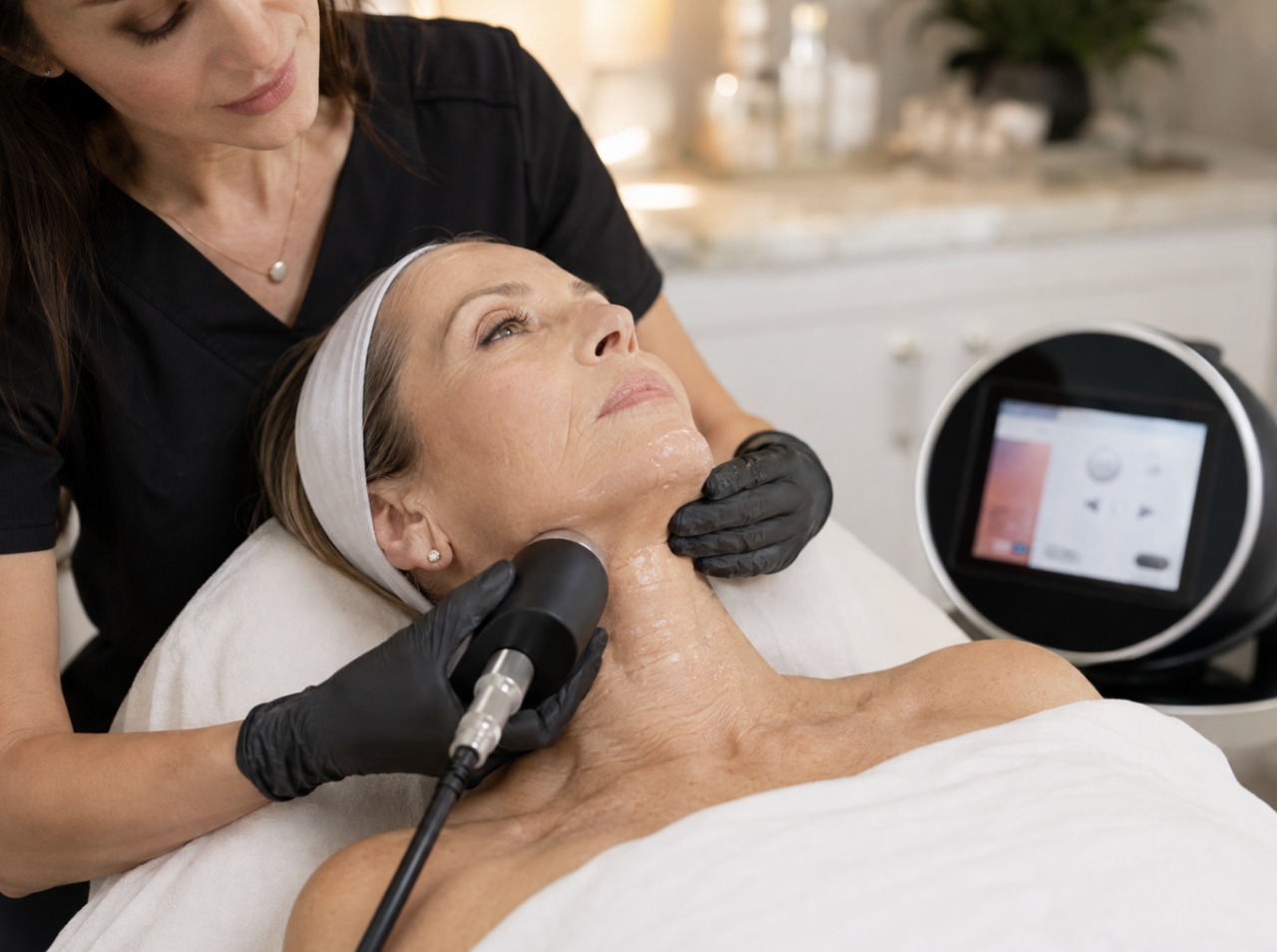
Changes in facial firmness often happen gradually. Your jawline may look softer, your cheeks may lose definition, and mild skin laxity may become more noticeable even when your skin still looks healthy.
For adults who want to address these concerns without surgery, HIFU treatment may be worth considering. HIFU, or high-intensity focused ultrasound, uses concentrated ultrasound energy beneath the skin to support collagen remodeling and gradual tightening.
At DSC Laser & Skin Care Center, treatment planning begins with the person, not the device. HIFU is one of several options available for patients in San Gabriel, Los Angeles, and surrounding communities who want natural-looking improvement with limited interruption to their routine.
What You’ll Learn From This Article
- How HIFU delivers ultrasound energy beneath the skin
- Which types of skin laxity may respond to treatment
- What a HIFU appointment may feel like
- What to expect during recovery
- When collagen-related changes may become noticeable
- How HIFU differs from Ultherapy and radiofrequency treatments
- Why treatment selection depends on your anatomy and goals
Understanding the technology first makes it easier to judge whether its benefits match what you actually want to improve.
What Is HIFU and How Does High-Intensity Focused Ultrasound Work?
HIFU stands for high-intensity focused ultrasound. The treatment directs concentrated ultrasound waves to selected depths beneath the skin rather than intentionally removing or resurfacing the outer layer.
This allows a provider to create controlled thermal points within targeted tissue. The body’s response to that controlled heating can encourage collagen remodeling and gradual tightening over time.
Focused Ultrasound Energy Works Below the Skin Surface
The ultrasound energy converges at predetermined depths. Depending on the treatment system and area being treated, a provider may work at different levels beneath the skin to address the tissues contributing to laxity.
DSC’s HIFU system can target depths including approximately 1.5 mm, 3.0 mm, and 4.5 mm. The treatment depth depends on the area, tissue characteristics, and treatment plan.
Because HIFU acts below the surface, it serves a different purpose than treatments designed mainly for pigmentation, rough texture, or superficial sun damage.
HIFU Supports a Gradual Collagen Response
Collagen provides structural support within the skin. With age, changes in collagen and other supporting tissues can contribute to looser skin and less defined facial contours.
HIFU creates controlled thermal effects that can stimulate a tissue response over the following weeks and months. A 2025 systematic review of 45 clinical trials and cohort studies found evidence supporting HIFU for aesthetic skin tightening, particularly in areas such as the lower face, neck, and around the eyes. The authors also noted that treatment devices and clinical protocols vary considerably.
That variability matters because HIFU is not the same treatment everywhere. The specific device, settings, provider technique, and patient selection can all affect the treatment experience and potential outcome.
What Are the Benefits of HIFU Treatment?
For the right patient, HIFU may gradually improve firmness and facial definition without surgical incisions. The amount of change varies, and the treatment suits some concerns better than others.
Firmer-Looking Skin and Better Facial Definition
HIFU may be considered for mild to moderate concerns such as:
- Softening along the jawline
- Mild cheek laxity
- Loose-appearing skin beneath the chin
- Neck laxity
- Reduced facial definition
- Certain wrinkles associated with skin laxity
A clinical study involving 20 Korean adults evaluated focused ultrasound for facial wrinkles and laxity. Researchers reported improvement at three and six months, with the jawline, cheek, and area around the mouth among the regions showing visible changes. Because the study was small and did not include a control group, view the results as supportive evidence rather than a prediction of what every patient will experience.
Changes Tend to Look Gradual
HIFU does not add volume the way dermal fillers do, and it cannot reposition tissue to the same extent as surgery.
Instead, changes tend to develop as collagen remodels. For people who prefer a subtle adjustment rather than a sudden change in appearance, that gradual response may be appealing.
No Surgical Incisions
HIFU is noninvasive, so treatment does not require surgical incisions. The skin surface generally remains intact, which is one reason recovery is often shorter than with surgical procedures.
Still, noninvasive does not mean reaction-free. Redness, swelling, tenderness, discomfort, or bruising may occur.
The benefits sound straightforward, but deciding whether they apply to you requires a closer look at candidacy.
Who Is a Good Candidate for HIFU Skin Tightening?
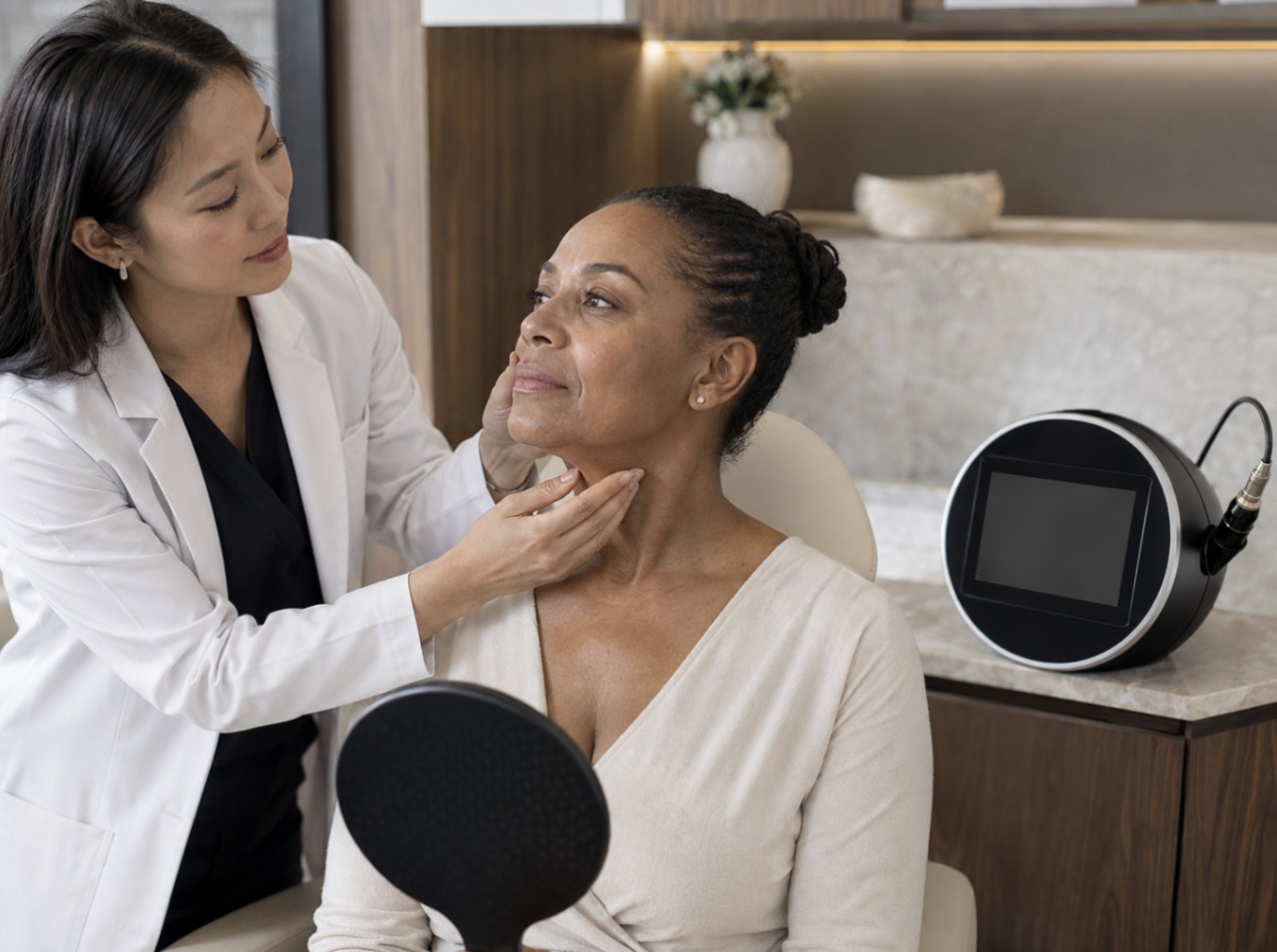
Age alone does not determine whether HIFU is appropriate. Two people in their 50s can have very different levels of skin laxity, tissue thickness, facial volume, and treatment history.
HIFU may be worth discussing if you have mild to moderate laxity and want a noninvasive option with gradual results. It may also appeal to someone who prefers limited recovery and understands that improvement can take time.
A consultation should consider factors such as:
- The degree and location of skin laxity
- Skin thickness and facial anatomy
- Previous laser, injectable, or tightening treatments
- Medical history
- Comfort preferences
- The type of change you want to see
HIFU also has clear limitations. It does not correct every cosmetic concern.
If volume loss is the main issue, an injectable treatment may make more sense. If pigmentation, acne scarring, or surface texture is the priority, another laser, peel, or microneedling treatment may be more appropriate. Significant loose skin may also require a different approach if the goal is more substantial lifting.
At DSC Laser & Skin Care Center, we consider the face and skin as a whole. This matters because the best treatment for laxity may not address every other sign of aging you want to treat.
Once we establish candidacy, the next question is usually what the treatment involves.
What Happens During a HIFU Treatment?
A HIFU appointment is typically straightforward, but careful planning before energy delivery is important.
Consultation and Treatment Planning
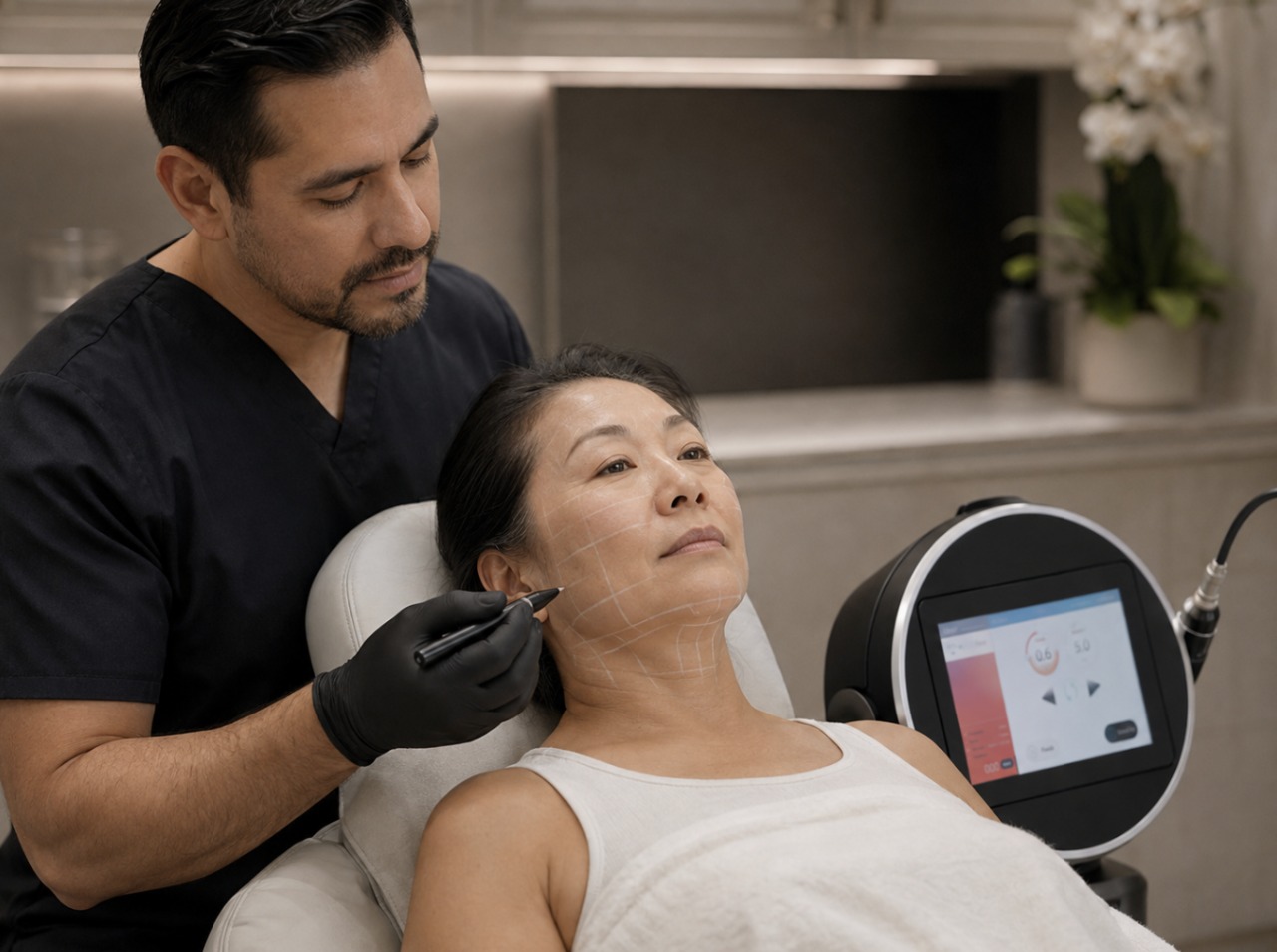
Your provider first evaluates the areas you want to improve and reviews relevant medical and aesthetic history.
This is also the time to discuss previous Botox, fillers, lasers, tightening procedures, surgery, or other treatments that may affect the plan.
Your provider can then determine:
- Whether HIFU is appropriate for your concern
- Which areas should be treated?
- Which tissue depths are suitable
- Whether another technology may be a better fit
For a practice such as DSC that offers several skin tightening options, this comparison is especially useful. It lets you base the treatment plan on your skin and anatomy, not one device alone.
Delivering the Ultrasound Energy
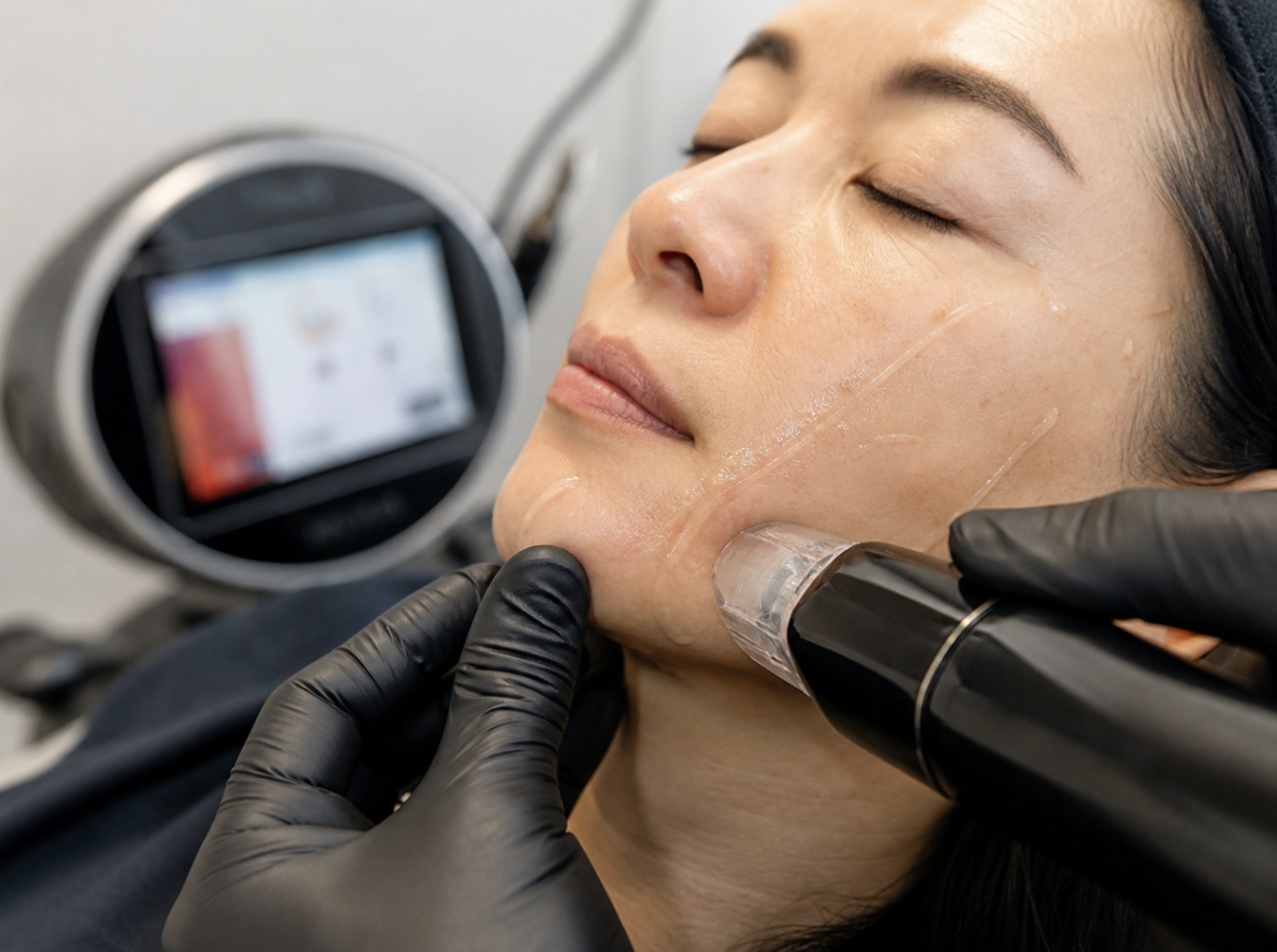
The skin is cleansed, and ultrasound gel is applied to help the handpiece maintain proper contact.
The provider then positions the applicator over the planned areas and delivers focused ultrasound energy at selected depths. Sensations can differ from person to person. Some people describe warmth, tingling, prickling, or brief periods of discomfort.
A more comprehensive face and neck treatment may take around 30 to 45 minutes, although appointment length depends on the areas being addressed and the treatment plan.
After the final pass, most people are more concerned with what their skin may look and feel like over the next several days.
HIFU Recovery Time and Possible Side Effects
One practical advantage of HIFU is that recovery is generally limited compared with surgery and more aggressive resurfacing procedures.
Many patients can resume normal daily activities soon after treatment. However, it is better to think of HIFU as having minimal recovery for many people rather than assuming there is never any downtime.
What You May Notice After Treatment
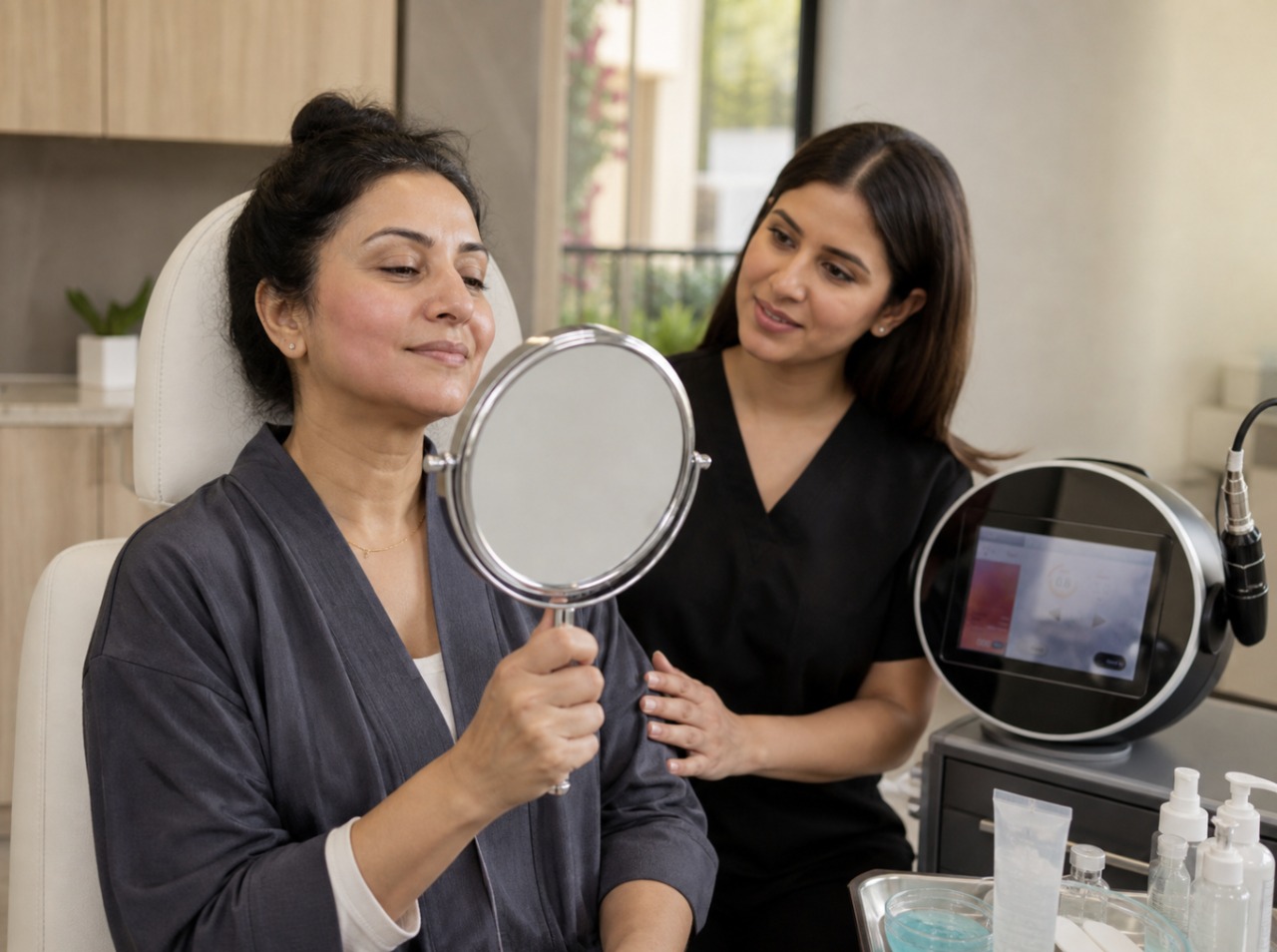
Temporary reactions can include:
- Redness
- Mild swelling
- Tenderness
- Sensitivity
- Bruising
- Temporary discomfort in the treated area
Your response varies based on treatment depth, energy settings, the area treated, and individual sensitivity.
| After HIFU | What It May Mean |
|---|---|
| Mild redness | Can occur shortly after treatment |
| Swelling | Usually temporary when it occurs |
| Tenderness | Treated areas may feel sensitive for a period of time |
| Bruising | Possible, but not expected in every patient |
| Return to routine | Many people resume normal activities quickly |
| Visible tightening | Usually develops gradually rather than immediately |
Your provider should explain what to expect after your specific procedure and when to contact the office if a reaction seems unusual or lasts longer than expected.
Recovery is only part of the timeline. HIFU results typically require more patience than treatments that create an immediate visual change.
When Will You See HIFU Results?
HIFU is not usually a treatment you judge by looking in the mirror immediately after the appointment.
Some people may notice subtle firmness early on, but further change can develop over several weeks and months as collagen remodels. The timing and degree of improvement vary by person.
Factors that may influence your response include:
- Baseline skin laxity
- Age and skin quality
- Facial anatomy
- Treatment depth and settings
- The device being used
- Previous aesthetic procedures
- Natural changes in the skin over time
No single treatment schedule applies to every patient. Some people may be treated once and reassessed later, while others may receive a different recommendation based on their skin and goals.
Results are not permanent because the natural aging process continues. If appropriate, discuss maintenance after your provider has time to evaluate how your skin responded.
That longer timeline is also one reason it helps to compare HIFU with other tightening technologies before choosing a treatment.
HIFU vs Ultherapy and Radiofrequency Skin Tightening
HIFU, Ultherapy, Thermage, and radiofrequency treatments may appear together when you search for nonsurgical skin tightening, but they do not work in exactly the same way.
HIFU and Ultherapy
Both HIFU and Ultherapy use focused ultrasound principles, but you should not treat the terms as interchangeable.
Ultherapy is a specific microfocused ultrasound system that incorporates real-time visualization. This imaging allows the provider to view tissue layers during treatment.
HIFU refers more broadly to high-intensity focused ultrasound systems. Different HIFU devices may use different treatment depths, energy characteristics, and delivery methods, and not every system includes real-time imaging.
The practical takeaway is simple: ask which device is being used rather than assuming every ultrasound treatment is identical.
HIFU and Radiofrequency
Radiofrequency treatments use electrical energy to create controlled heating within tissue. HIFU uses acoustic energy in the form of focused ultrasound waves.
Both approaches can support skin tightening and collagen-related treatment goals, but they deliver energy differently.
A 2024 retrospective study evaluated a combined protocol using HIFU and monopolar radiofrequency in 56 patients. Researchers reported improvements in skin tightening, with transient redness as the most common side effect. Because the study evaluated the treatments together, it cannot show how much of the observed improvement came from HIFU alone.
At DSC, patients may also encounter options such as Ultherapy, Thermage, XERF, Morpheus8, and Genius RF microneedling. None is automatically the best choice for every person.
Choosing among them depends heavily on assessment, which brings the provider’s experience into the decision.
Why Provider Experience Matters With HIFU
Advanced technology can expand treatment options, but the machine itself does not determine the entire outcome.
A provider must consider treatment depth, facial anatomy, tissue characteristics, prior procedures, comfort, and the degree of skin laxity before recommending HIFU.
This becomes even more important when a practice offers several procedures for similar concerns. A patient with mild lower-face laxity may need a very different plan than someone whose main concerns are volume loss, texture, and pigmentation.
At DSC Laser & Skin Care Center, our board-certified doctor has more than 30 years of experience in clinical practice and cosmetic dermatology. Our team also receives ongoing education and reviews treatment protocols as technologies and clinical knowledge continue to change.
The goal is not to place every patient into the same treatment. It is to identify which option, or combination of options, makes sense for the person’s skin, face, and long-term aesthetic goals.
For patients in San Gabriel and Los Angeles, that individualized assessment can be especially helpful when comparing several advanced technologies that look similar online.
Frequently Asked Questions About HIFU Treatment
The questions below address some of the most common concerns people have before scheduling a consultation.
1. Is HIFU treatment painful?
HIFU is not necessarily painless. Sensation varies by treatment area, depth, energy settings, and individual sensitivity.
You may feel warmth, tingling, prickling, or brief discomfort while the provider delivers ultrasound energy. Your consultation is a good time to ask how the practice manages comfort during treatment.
2. How much downtime is there after HIFU treatment?
Many people can return to usual activities shortly after treatment.
Temporary redness, tenderness, mild swelling, or bruising can occur. Recovery time varies, so your provider should give you instructions based on the device used and your individual response.
3. How long does HIFU take to show results?
Some patients may notice an early change in firmness, but more noticeable improvement usually develops gradually.
Collagen remodeling takes time, so we often assess treatment over the following weeks and months rather than immediately after the appointment.
4. How many HIFU treatments will I need?
There is no universal number of treatments.
Your plan can depend on your degree of skin laxity, anatomy, treatment goals, the HIFU system being used, and how your skin responds. A provider may recommend treatment and then reassess before deciding whether additional sessions make sense.
5. Is HIFU treatment the same as Ultherapy?
No. Both use focused ultrasound, but they are not the same technology.
Ultherapy is a specific microfocused ultrasound platform with real-time visualization. HIFU is a broader category that includes systems with different features and treatment parameters.
Knowing these differences can make your consultation more productive because you can focus on the treatment that best matches your concerns rather than choosing by name alone.
If you are considering HIFU treatment in San Gabriel or Los Angeles, you can request a free consultation with DSC Laser & Skin Care Center. Our team can assess your skin, discuss the changes you want to address, and explain whether HIFU or another treatment approach fits your goals.