Smooth, hydrated skin can fade sooner than expected. Dullness may return, pores may look more noticeable, and makeup may not sit as evenly as it did after your last facial.
A DiamondGlow facial may help refresh the skin by combining exfoliation, extraction, and serum infusion in one treatment. The right schedule, however, depends on your skin type, current concerns, sensitivity, home skincare routine, and any other procedures you receive.
Some people book one treatment before an event. Others begin with a short series and move to periodic maintenance. At DSC Laser & Skin Care Center, treatment timing is based on how your skin responds, not on a fixed monthly rule.
What You’ll Learn From This Article
- How a DiamondGlow facial exfoliates, extracts, and infuses the skin
- How often can treatments be scheduled for different goals
- When a single session, treatment series, or maintenance plan may make sense
- How skin type, sensitivity, and home skincare affect timing
- When is it safer to postpone treatment
- How DSC creates personalized treatment plans for LA and San Gabriel patients
What Is a DiamondGlow Facial?
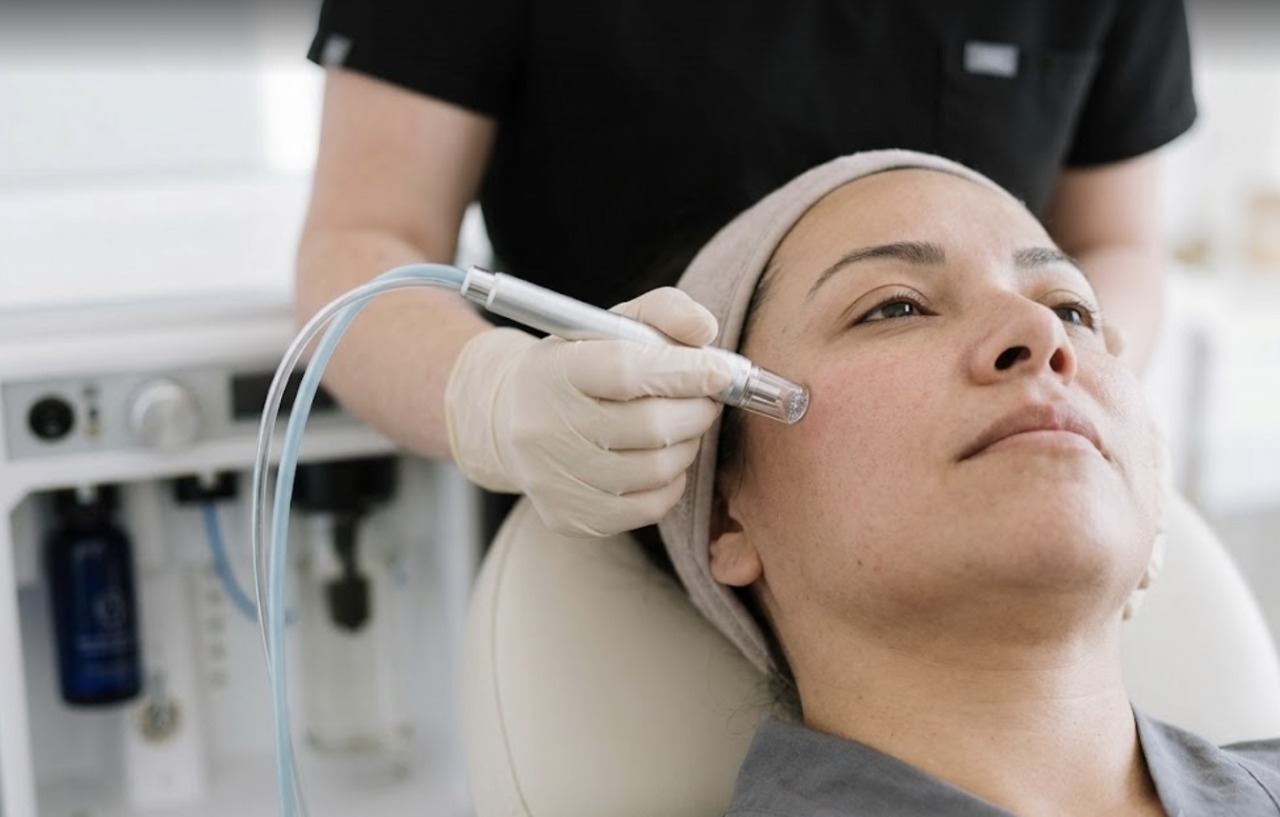
DiamondGlow is a noninvasive skin resurfacing treatment that removes buildup from the skin’s surface while applying a topical cosmetic serum.
The treatment uses a handheld wand with a diamond tip. During each pass, the system exfoliates the skin, uses controlled suction to remove loosened debris, and delivers a selected Pro Infusion Serum.
This three-step process may help improve the appearance of:
- Dry or dull-looking skin
- Rough texture
- Congested pores
- Uneven skin tone
- Fine lines
- Reduced radiance
- Visible signs of aging
DiamondGlow differs from a basic spa facial in that it exfoliates, extracts, and infuses simultaneously. Your provider can adjust the diamond tip, suction level, and serum choice based on your skin type and goals.
The treatment is intended for general dermabrasion and topical cosmetic serum delivery. It should not be described as a cure for acne, pigmentation disorders, or other medical skin conditions. The DiamondGlow official website includes examples from single treatments and treatment series, but individual results vary.
Understanding how the device works makes it easier to see why treatment frequency should be personalized.
How the Diamond Tip, Suction, and Serum Work Together
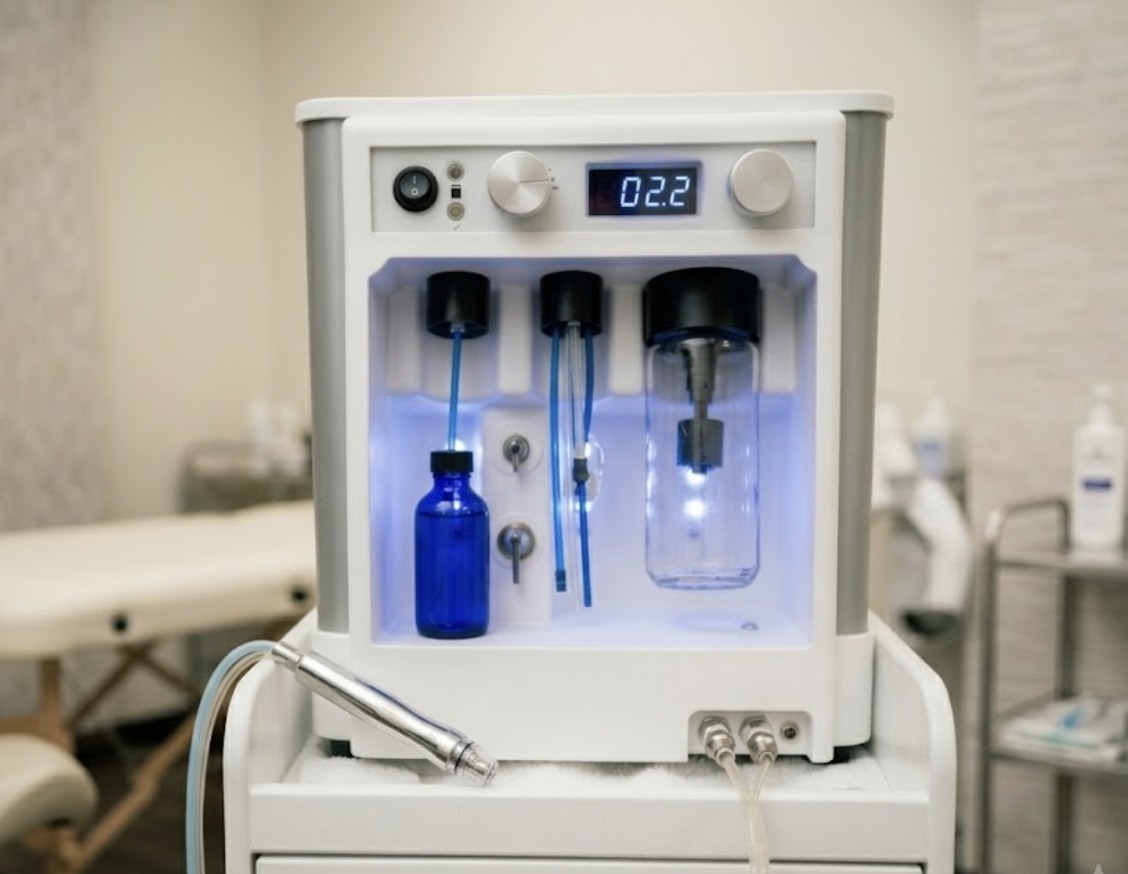
The diamond tip gently exfoliates the outer layer of dead skin cells. Different tip textures allow the provider to treat areas with varying thickness or sensitivity.
Controlled suction then lifts away loosened debris from the skin and pores. This may help the skin feel smoother and look less congested.
At the same time, the wand applies a selected serum to the freshly exfoliated surface. Serum selection may focus on hydration, visible discoloration, pore concerns, or signs of aging.
Healthline describes dermal infusion as a treatment that uses a diamond-tipped wand to exfoliate, remove debris, and apply a customized serum in a single session. Its overview of dermal infusion also explains that treatment settings and serum choices can be adjusted to the patient’s needs.
Because the treatment includes active exfoliation, the skin needs enough time to settle before another session.
How Often Should You Get a DiamondGlow Facial?
There is no single schedule that works for every patient.
Some people may receive DiamondGlow every few weeks during an initial treatment series. Others may schedule a facial once a month or return only when dryness, roughness, or congestion becomes noticeable again.
The appropriate interval depends on:
- Your skin type
- The concern being treated
- Your tolerance for exfoliation
- Your current skincare products
- Recent laser, peel, or microneedling treatments
- Your desired level of maintenance
- How did your skin respond to the previous session
A monthly appointment may suit some patients, but it should not be treated as a requirement. More frequent treatment does not always produce better results. Skin that remains red, dry, irritated, or sensitive may need more time to recover.
A provider should assess your skin before each session and adjust the plan when needed.
A Practical DiamondGlow Treatment Schedule
| Treatment Goal | Possible Schedule | What Should Be Assessed |
|---|---|---|
| Event preparation | One treatment is scheduled early enough to observe your response | Sensitivity, redness, event date, recent procedures |
| Dry or dull-looking skin | Periodic treatments based on hydration and tolerance | Skin barrier, dryness, home skincare |
| Congested pores or rough texture | A short initial series may be considered | Acne activity, inflammation, pore congestion |
| Uneven tone or fine lines | A series paired with daily skincare may be discussed | Pigmentation, sun exposure, treatment alternatives |
| Ongoing maintenance | Repeat sessions based on how long results remain visible | Seasonal changes, skincare habits, treatment history |
Published DiamondGlow examples include single treatments and series scheduled at different intervals. Some cases involved sessions two weeks apart, while others involved longer intervals between appointments. These are examples from specific studies and photographed cases, not instructions for every patient.
The next step is identifying which factors should guide your personal schedule.
What Determines Your Ideal DiamondGlow Frequency?
Treatment timing should reflect the condition of your skin on the day of your appointment, not only the date on the calendar.
Your Primary Skin Concern
A person seeking temporary radiance before an event may not need the same schedule as someone with recurring pore congestion or rough texture.
DiamondGlow may be considered for concerns such as:
- Dryness
- Dullness
- Uneven texture
- Visible pore congestion
- Uneven skin tone
- Fine lines
- General skin maintenance
Active inflammatory acne requires a more careful assessment. DiamondGlow should not be performed over active, weeping acne, open areas, or significantly irritated skin.
Your main concern also helps determine which Pro Infusion Serum may be appropriate. One serum may support hydration, while another may be selected for visible tone or pore concerns.
Your Skin Type and Sensitivity
Normal, oily, dry, combination, mature, and sensitive skin may respond differently to the same treatment setting.
Before treatment, your provider should review:
- Previous reactions to facials or exfoliation
- Persistent redness
- Current acne activity
- Retinoid use
- Exfoliating acids
- Prescription topical medications
- Allergies
- Recent procedures
- Pregnancy or breastfeeding
- Conditions that may affect healing
Sensitive skin may need gentler exfoliation or more time between treatments. Stronger settings are not automatically more effective.
Your Home Skincare Routine
Daily skincare plays a major role in how long your skin stays smooth and hydrated.
A basic routine may include:
- A gentle cleanser
- A moisturizer suited to your skin type
- Broad-spectrum sunscreen
- Provider-recommended topical products
- Careful use of retinoids and exfoliating acids
Using too many scrubs, acids, or strong active products may increase redness and sensitivity. Tell your provider what you use at home, including nonprescription products.
Other Treatments in Your Plan
DiamondGlow may need to be spaced around:
- Chemical peels
- IPL
- Fraxel
- CO2 laser resurfacing
- Microneedling
- Morpheus8
- Genius RF microneedling
- Injectable treatments
- Other exfoliating facials
Several treatments can temporarily increase sensitivity. Scheduling them too close together may create unnecessary irritation or interfere with recovery.
Once these factors are reviewed, your provider can decide whether one session or a short series makes more sense.
Should You Start With One Treatment or a Series?
Both approaches can be reasonable. The better option depends on your goals, skin condition, and response to treatment.
When One DiamondGlow Facial May Be Appropriate
A single treatment may be enough when:
- You want a refreshed appearance before an event
- Your concern is temporary dullness or dryness
- You want to see how your skin responds
- You are receiving other procedures
- You prefer occasional facial maintenance
Schedule enough time before an important event to see how your skin reacts. Temporary redness, tightness, mild swelling, or sensitivity may occur.
When a Treatment Series May Be Discussed
A provider may recommend a short series for concerns such as:
- Recurring pore congestion
- Uneven texture
- Persistent dullness
- Dry-looking skin
- Mild visible tone irregularities
- Fine lines
The number of treatments varies. Your skin type, age, sun exposure, serum choice, home care, and treatment settings can all affect the response.
A series should include reassessment between appointments. If the skin becomes irritated or another treatment is added to your plan, the schedule may need to change.
When Maintenance Treatments May Be Enough
After an initial series, appointments may be spaced farther apart.
Maintenance timing may depend on:
- How long does your skin remain smooth
- When dullness returns
- Changes in pore congestion
- Seasonal dryness
- Increased sun exposure
- Upcoming events
- Changes to your skincare routine
The goal is not to keep treatment as frequent as possible. The goal is to maintain the skin without over-exfoliating it.
Your skin’s condition between visits can help indicate when another appointment may be appropriate.
Signs You May Be Ready for Your Next DiamondGlow Treatment
You may be ready to discuss another treatment when:
- Your skin begins to feel rough again
- Dullness gradually returns
- Makeup no longer applies as evenly
- Pores appear more congested
- Dryness returns despite regular skincare
- The visible effect of your last treatment has faded
- Your next visit is part of a provider-recommended plan
These signs do not always mean your skin needs immediate exfoliation. Dullness caused by sun exposure, irritation, overuse of active products, or a damaged skin barrier may require time to recover first.
That is why timing should always include a quick skin assessment, especially when redness or sensitivity is present.
When Should You Postpone a DiamondGlow Facial?
DiamondGlow should not be performed on skin that is sunburned, chapped, broken, or significantly irritated.
You may need to postpone treatment if you have:
- An open wound
- A sunburn
- Active cold sores
- A new rash
- Significant swelling or redness
- Active, weeping acne
- Irritation from skincare products
- Skin that has not healed after another procedure
- A suspected infection or allergic reaction
Tell your provider about medical conditions, allergies, prescription products, pregnancy, and breastfeeding before treatment.
During or after the procedure, some patients may experience temporary stinging, tightness, redness, or mild swelling. More serious irritation or an allergic reaction may occur in rare cases. Contact your provider if symptoms become severe, continue to worsen, or do not improve as expected.
Why LA Sun Exposure Matters
Frequent sun exposure can make recently exfoliated skin more sensitive.
Do not arrive for treatment with sunburned skin. After your appointment, use broad-spectrum sunscreen and follow your provider’s instructions. Shade, hats, and protective clothing also help reduce unnecessary exposure.
Sunscreen does not make prolonged sun exposure safe, especially soon after resurfacing.
Proper aftercare also affects how long the skin remains comfortable and refreshed.
How to Help DiamondGlow Results Last Between Appointments
A consistent routine can help support the appearance of your skin after treatment.
Helpful steps include:
- Cleansing gently
- Applying a suitable moisturizer
- Wearing broad-spectrum sunscreen every day
- Avoiding harsh scrubs after treatment
- Following instructions for retinoids and acids
- Avoid picking or rubbing sensitive skin
- Reporting unexpected reactions
- Keeping follow-up appointments when recommended
Results are temporary because skin continues to shed cells, produce oil, encounter sun exposure, and change with age. Regular home care may help extend the appearance of hydration, smoothness, and radiance.
A thoughtful home routine also gives your provider a clearer picture of when professional treatment is truly needed.
How DSC Plans DiamondGlow Facials for LA Patients

DSC Laser & Skin Care Center serves patients from Los Angeles, San Gabriel, Alhambra, Pasadena, Arcadia, Monterey Park, and nearby communities.
Our board-certified doctor has more than 30 years of clinical experience. He has participated in international medical conferences, worked with leading laser companies, and contributed to clinical research involving cosmetic treatments.
Our staff receives regular education and reviews treatment protocols to support careful, consistent patient care.
Before recommending a DiamondGlow schedule, we consider:
- Your skin type
- Your current skin condition
- Your treatment goals
- Your tolerance for exfoliation
- Your home skincare products
- Recent or planned procedures
- Your preferred recovery time
- Your long-term skin plan
Because DSC offers facials, lasers, injectables, microneedling, skin tightening, and body treatments, our team can determine whether DiamondGlow fits your concern or whether another option may be more appropriate.
The right plan should support healthy-looking skin without pushing treatments too close together for your skin to comfortably tolerate.
Frequently Asked Questions About DiamondGlow in LA
1. Can I Get a DiamondGlow Facial Every Month?
Some patients may tolerate a monthly DiamondGlow facial, but that schedule is not right for everyone. Skin type, sensitivity, home products, recent procedures, and treatment goals should guide the interval.
2. Can DiamondGlow Treatments Be Scheduled Two Weeks Apart?
Some clinical examples used treatments two weeks apart. That does not mean every patient should follow the same schedule. Your provider should confirm that the skin has recovered before the next session.
3. How Many DiamondGlow Treatments Do I Need?
Some patients notice smoother or more radiant-looking skin after one treatment. Others may follow a short series for ongoing concerns. The number of sessions depends on your skin, goals, response, and home care.
4. Is a DiamondGlow Facial Suitable for Acne-Prone Skin?
DiamondGlow may be considered for some acne-prone patients, especially when congestion is present. It should not be performed over active, weeping acne, open areas, or significant irritation. A provider should assess the skin first.
5. How Long Do DiamondGlow Results Last?
The duration varies based on skin condition, home skincare, sun exposure, treatment settings, and individual response. Smoothness and radiance may fade gradually, which is why maintenance timing differs from person to person.
Create a DiamondGlow Schedule That Fits Your Skin
There is no universal answer to how often you should receive a DiamondGlow facial. One treatment may be enough for occasional radiance, while other concerns may benefit from a short series followed by maintenance.
The safest plan considers your skin type, sensitivity, skincare routine, sun exposure, and other aesthetic treatments. It should also change when your skin needs more time to recover.
To learn whether DiamondGlow fits your goals, request a free consultation or schedule a personalized skin and aesthetic assessment with the DSC team. We can help you create a practical treatment plan for your skin in LA and the San Gabriel Valley.
