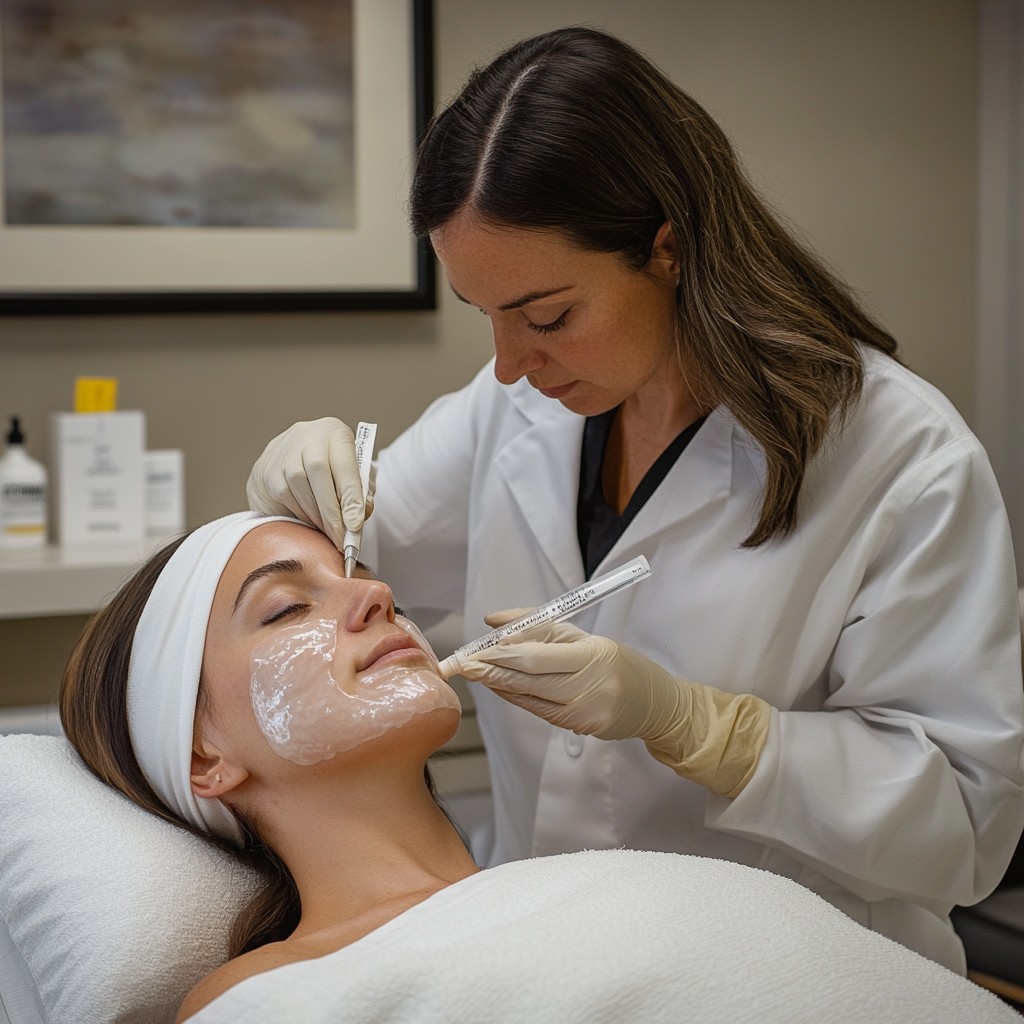
Tired of dull and uneven skin? You’re not alone. Fortunately, achieving a radiant glow is possible with a chemical peel treatment in San Gabriel. These treatments are designed to exfoliate, refresh, and restore your skin for a healthier, more youthful look.
At DSC Laser & Skincare Center, we specialize in chemical peels that help refresh your skin and enhance your confidence. Before undergoing treatment, it’s helpful to understand the process and what makes professional chemical peels so effective.
Our patients receive medical-grade chemical peels that are carefully customized to their skin type, treatment goals, and level of skin sensitivity.
What Is a Chemical Peel and How Does It Improve Skin?
A chemical peel is a skin-resurfacing method that involves applying a solution, exfoliating the outermost layers of the skin, and eventually peeling off. This process reveals new, regenerated skin that is typically smoother and more radiant.
Chemical peels are utilized to treat a variety of skin insecurities, including acne scars, wrinkles, fine lines, and uneven skin tone.
Why San Gabriel Patients Choose Chemical Peels for Brighter Skin
In San Gabriel, CA, there’s a growing demand for advanced skincare solutions. Residents are increasingly seeking effective treatments to combat the effects of sun exposure, pollution, and the natural aging process.
Chemical peels offer a non-invasive solution to these concerns, providing noticeable results with minimal downtime.
How Chemical Peels Work
Chemical peels function by exfoliating the skin and promoting cell turnover. The applied solution induces a controlled injury to the skin, prompting it to shed damaged layers and trigger the rebirth of new, healthy cells. This method not only improves skin texture but also enhances overall skin health.
Types of Chemical Peels: Superficial, Medium, and Deep
Chemical peels are labeled based on their depth of penetration:
- Superficial Peels: Utilize mild acids like alpha-hydroxy acid to exfoliate the outer layer of skin. Ideal for addressing minor skin concerns such as slight discoloration and rough texture.
- Medium Peels: Employ stronger acids, such as trichloroacetic acid, to penetrate the inner layers of the skin. Effective for treating liver spots, fine lines, and moderate skin discoloration.
- Deep Peels: Use potent acids like phenol to penetrate deeply into the skin. Suitable for more severe skin issues, including deep wrinkles, significant sun damage, and precancerous growths.
Chemical Peel Ingredients: Glycolic, Salicylic, TCA, and Phenol
The effectiveness of a chemical peel largely depends on its active ingredients:
- Alpha-Hydroxy Acids (AHAs): Such as lactic acids and glycolic acids, are water-soluble and ideal for surface exfoliation, improving texture and tone.
- Beta-Hydroxy Acids (BHAs): Like salicylic acid, are oil-soluble, making them effective for penetrating pores and treating acne-prone skin.
- Trichloroacetic Acid (TCA): Used in medium-depth peels to address pigmentation issues and fine lines.
- Phenol: A strong agent used in deep peels to treat more severe skin imperfections.
Chemical Peels for Acne Scars, Dark Spots, Fine Lines, and Uneven Texture
Chemical peels are beneficial for individuals experiencing:
- Fine lines and wrinkles
- Hyperpigmentation
- Acne scars
- Uneven skin texture
- Dark spots, melasma, sun damage, and post-inflammatory hyperpigmentation
Chemical peels may also help acne-prone skin by clearing buildup, improving uneven tone, and supporting smoother-looking acne-scar texture.
Suitability also depends on skin type and lifestyle. A comprehensive consultation with a skincare expert is essential for determining the best treatment plan for your skin.
Who Should Avoid Chemical Peels?
Certain conditions may preclude individuals from undergoing chemical peels:
- Pregnancy
- Active skin infections
- Use of specific medications, such as isotretinoin (Accutane)
- Very sensitive skin
It’s crucial to disclose your medical history and any current treatments to your provider to ensure safety and efficacy.
What to Expect During a Chemical Peel at DSC in San Gabriel
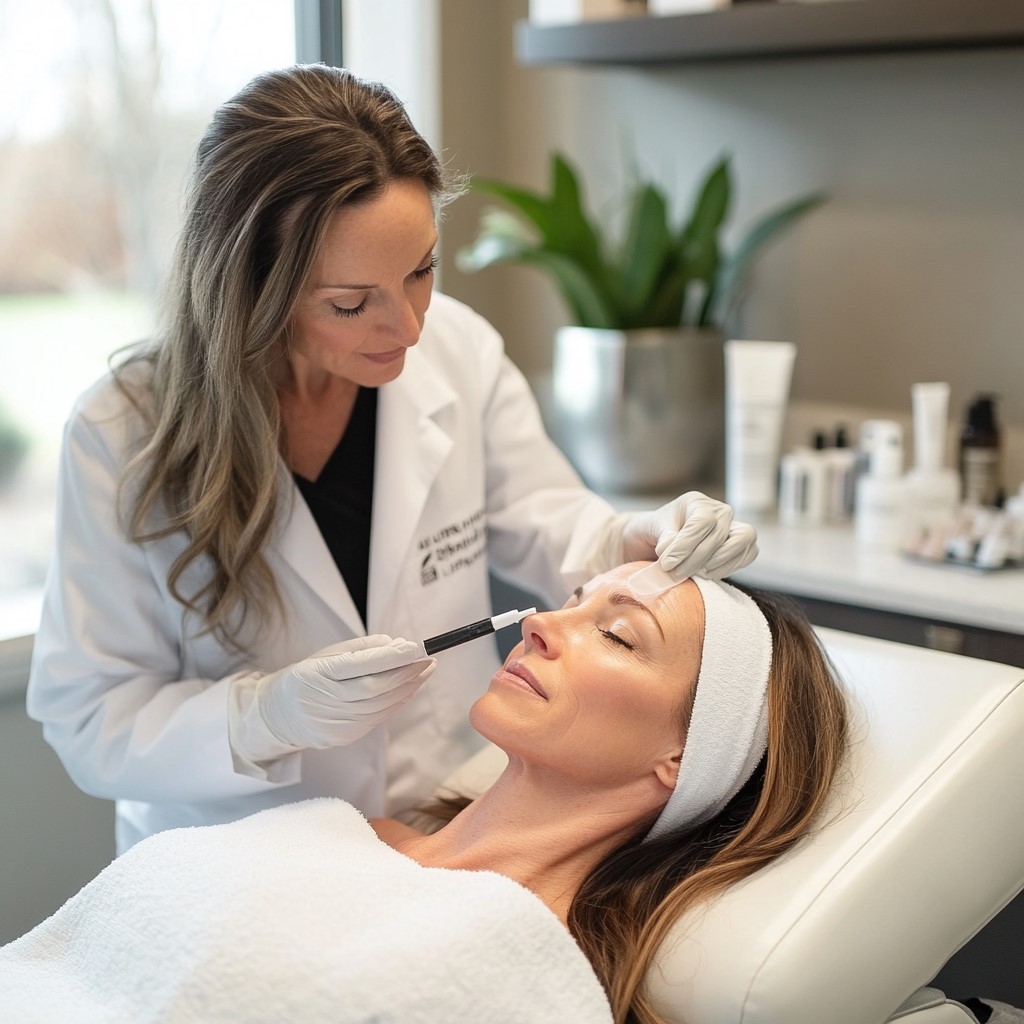
Achieving the best results starts with the right approach. At DSC Laser & Skincare Center, we ensure every step of your chemical peel procedure is safe, effective, and beautiful.
Pre-Treatment Preparation
We begin with a comprehensive skin consultation to assess your specific needs and goals. Prior to the procedure, you may need to adjust your skin care regimen, possibly incorporating products that prepare the skin and discontinuing those that could increase sensitivity.
Step-by-Step Breakdown of the Procedure
- Cleansing and Skin Preparation: The skin is thoroughly cleansed to remove any impurities.
- Application of Peeling Solution: The selected chemical solution is carefully applied to the skin.
- Neutralization and Soothing Care: Depending on the type of peel, the solution may be neutralized after a specific duration, followed by the application of soothing agents to calm the skin.
What to Expect During the Procedure
During the treatment, you may experience sensations such as tingling, warmth, or mild stinging. The procedure duration varies based on the depth of the peel, typically ranging from 30 minutes to an hour. Patients may require multiple sessions to achieve optimal results.
Recovery & Aftercare: Ensuring Optimal Results
Post-procedure, it’s common to experience redness, sensitivity, and mild peeling. To manage these symptoms:
- Hydration: Keep the skin well-moisturized to promote healing.
- Gentle Skincare: Use mild, non-irritating products to avoid further sensitivity.
Long-Term Skincare After a Chemical Peel
After undergoing a chemical peel, a post-care treatment is crucial to maintain and enhance your results.
Protect Your Skin from the Sun
After a chemical peel procedure, your skin is extra sensitive to the sun. To prevent sunburn and dark spots, apply broad-spectrum SPF 30+ sunscreen daily, even when it’s cloudy. Reapply every two hours or more often if swimming or sweating. Wear protective clothing like sunglasses and wide hats, and seek shade to minimize exposure.
Keep Your Skin Hydrated
Moisturizing is key after a chemical peel. Freshly treated skin loses moisture quickly, leading to dryness and flaking. Use a gentle, fragrance-free moisturizer multiple times a day to keep your skin soft. Avoid products with harsh ingredients like retinoids or AHAs until your skin has fully healed.
Let Your Skin Heal Naturally
Peeling, redness, and sensitivity are normal after a chemical peel. Resist the urge to peel or pick your skin, as this can cause scarring. Be patient and follow aftercare instructions to help your skin heal properly and reveal a fresh, glowing complexion.
When to Expect Results
The time it takes to see noticeable improvements after a chemical peel will depend on the depth of the peel performed:
- Superficial Peel
- Mild redness and light peeling
- Refreshed, smoother skin appears in 3 to 7 days
- Medium Peel
- More noticeable redness, swelling, and peeling
- New skin emerges in 7 to 14 days
- Deep Peel
- Significant peeling and longer recovery time
- Full rejuvenation can take 3 weeks or more
While you may see initial improvements once your skin heals, continue developing over several months. This is because your skin gradually regenerates and boosts collagen production. To maintain long-lasting results, follow proper post-treatment care and stick to a consistent skincare routine.
When Should I Schedule a Chemical Peel Before an Event?
The ideal timing depends on the depth of your chemical peel. Superficial peels typically require only a few days of recovery, while medium and deep peels may involve visible redness, peeling, and healing that can last several weeks.
If you have an upcoming wedding, vacation, photoshoot, or special event, it’s best to schedule your chemical peel well in advance to allow your skin sufficient time to heal and reveal its refreshed appearance.
Chemical Peel Risks, Side Effects, and Safety
While chemical peels are typically safe when performed by qualified professionals, it’s essential to be aware of potential side effects and risks. Common side effects include redness, dryness, stinging, and peeling of the skin. These effects are usually mild and subside as the skin heals.
However, there are rare but more serious risks to consider. These can include:
- Scarring: Although uncommon, scarring can occur, particularly on the lower face.
- Infection: Chemical peels can increase the likelihood of bacterial, fungal, or viral infections, including a potential flare-up of the herpes simplex virus, which causes cold sores.
- Skin Color Changes: Chemical peels may lead to hyperpigmentation (darkening of the skin) or hypopigmentation (lightening of the skin) in the treated areas. These issues are more common in people with darker skin and can sometimes be permanent.
- Heart, kidney, or liver damage: Deep chemical peels that use phenol can cause damage to the heart muscle, kidneys, and liver. Phenol can also cause irregular heartbeats.
To minimize these risks, it’s crucial to follow all pre- and post-procedures as instructed by your skincare professional.
Choosing the Right Chemical Peel in San Gabriel, CA
Selecting the appropriate chemical peel requires a thorough understanding of your skin type, concerns, and desired outcomes. At DSC Laser & Skincare Center, we pride ourselves on our expertise in anti-aging and clinical research.
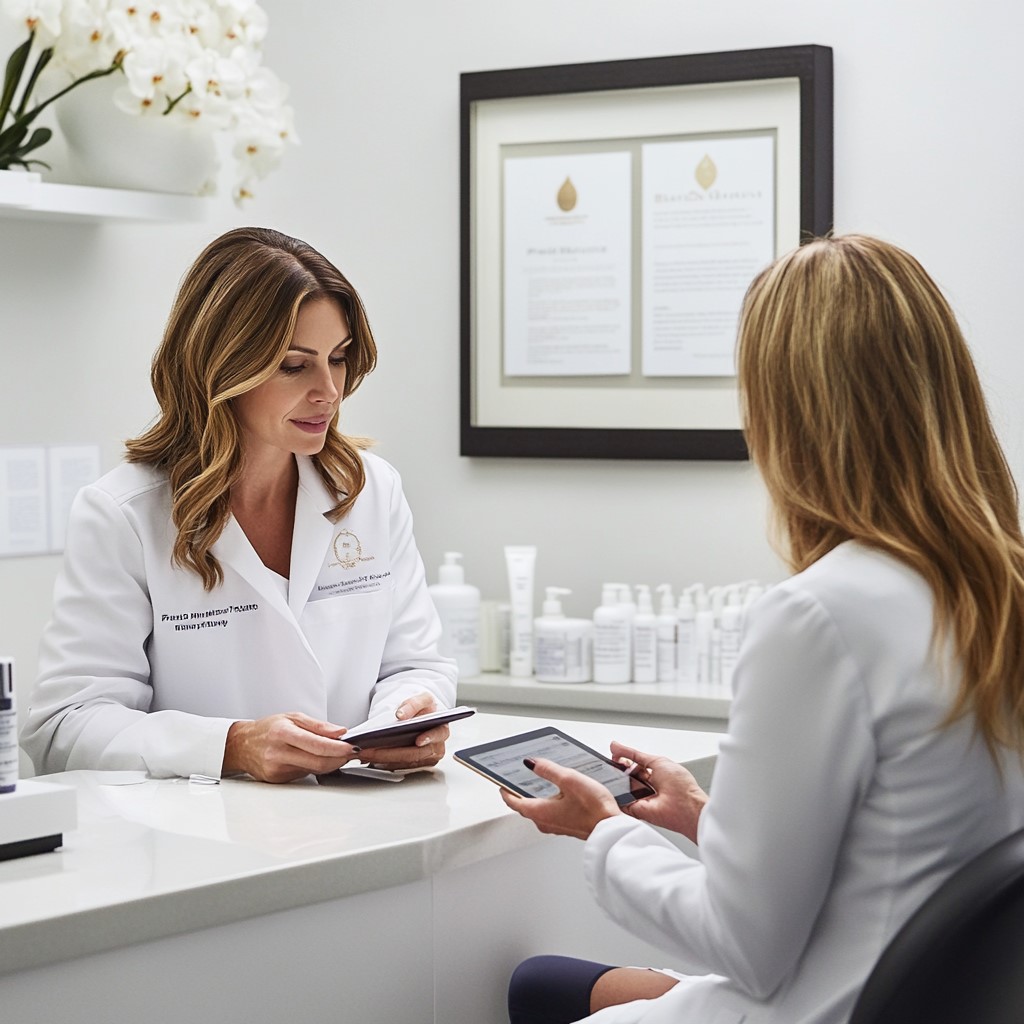
Our team of licensed professionals offers personalized treatments utilizing cutting-edge technology to ensure safe and effective results. During your first consultation, we will assess your skin’s condition, identify your goals, and recommend the most suitable peel for you.
We will also provide a detailed breakdown of the procedure, expected outcomes, and associated costs. We always ensure that our patients feel informed and confident in their skincare journey.
Chemical Peel FAQs for San Gabriel Patients
1. Are chemical peels painful?
Chemical peels are usually not very painful, but they can cause tingling, warmth, or mild stinging during treatment. The sensation depends on the peel depth, ingredients, and your skin sensitivity. DSC’s team can recommend a peel strength that matches your comfort level and goals.
2. How long does it take to see results?
Most patients see early improvement after the skin heals, often within several days to two weeks. Light peels may reveal a smoother glow sooner, while medium or deeper peels can involve more peeling and a longer recovery period before full results appear.
3. Can I wear makeup after a chemical peel?
You should wait until the treated skin has healed before wearing makeup after a chemical peel. For lighter peels, this may be a few days; for stronger peels, it may take a week or longer. Applying makeup too soon can irritate healing skin and increase the risk of clogged pores or uneven recovery.
4. How often should I get a chemical peel?
Chemical peel frequency depends on peel depth, skin type, and treatment goals. Superficial peels may be repeated every four to six weeks, while medium peels are usually spaced farther apart. DSC can recommend a schedule for acne, dullness, pigmentation, or anti-aging concerns during consultation.
5. Is a chemical peel safe for darker skin tones?
Chemical peels can be safe for darker skin tones when the peel type, depth, and aftercare are chosen carefully. Because darker skin may have a higher risk of post-inflammatory hyperpigmentation, patients should work with an experienced provider and follow strict sun protection after treatment.
6. What’s the difference between a medical-grade and spa chemical peel?
A medical-grade chemical peel is typically stronger and more customized than a basic spa peel. Medical-grade peels are selected based on skin type, acne, pigmentation, fine lines, and downtime tolerance, while spa peels usually focus on lighter exfoliation and surface refreshment.
7. How much does a chemical peel cost in San Gabriel?
The cost of a chemical peel in San Gabriel depends on the peel type, treatment depth, skin concern, and whether multiple sessions are recommended. DSC provides pricing during consultation after evaluating your skin and treatment goals.
8. Is a chemical peel good for dark spots or melasma?
A chemical peel may help improve dark spots, sun damage, melasma, and post-acne pigmentation by exfoliating damaged surface skin and encouraging renewal. Results depend on the type of discoloration, peel depth, skin tone, and sun protection after treatment.
9. Should I get a chemical peel or DiamondGlow facial?
A chemical peel is usually better for deeper exfoliation, pigmentation, acne marks, and texture concerns, while DiamondGlow is often better for an immediate refreshed glow with little to no downtime. DSC can help you choose the right treatment based on your skin goals and event timing.
10. When should I schedule a chemical peel before an event?
Schedule a chemical peel far enough before an event for redness, flaking, and peeling to resolve. Light peels may need only several days of recovery, while stronger peels may require one to two weeks or more. Your provider can recommend timing based on the peel depth.
Schedule a Chemical Peel Consultation in San Gabriel, CA
Chemical peels are a powerful yet non-invasive way to refresh your skin, reduce imperfections, and restore a youthful glow. Whether you’re looking to smooth fine lines, reduce acne scars, or improve overall texture, a chemical peel can help you achieve brighter, healthier skin with minimal downtime.
While results vary depending on the depth of the peel, you can expect noticeable improvements within days to weeks, with long-term benefits as your skin continues to renew. At DSC Laser & Skincare Center in San Gabriel, CA, we specialize in personalized, medical-grade skincare treatments designed to give you the best results safely and effectively.
Ready to experience your best skin yet? Book a free chemical peel consultation today and let us help you achieve a radiant, youthful glow with our expert chemical peel treatments.