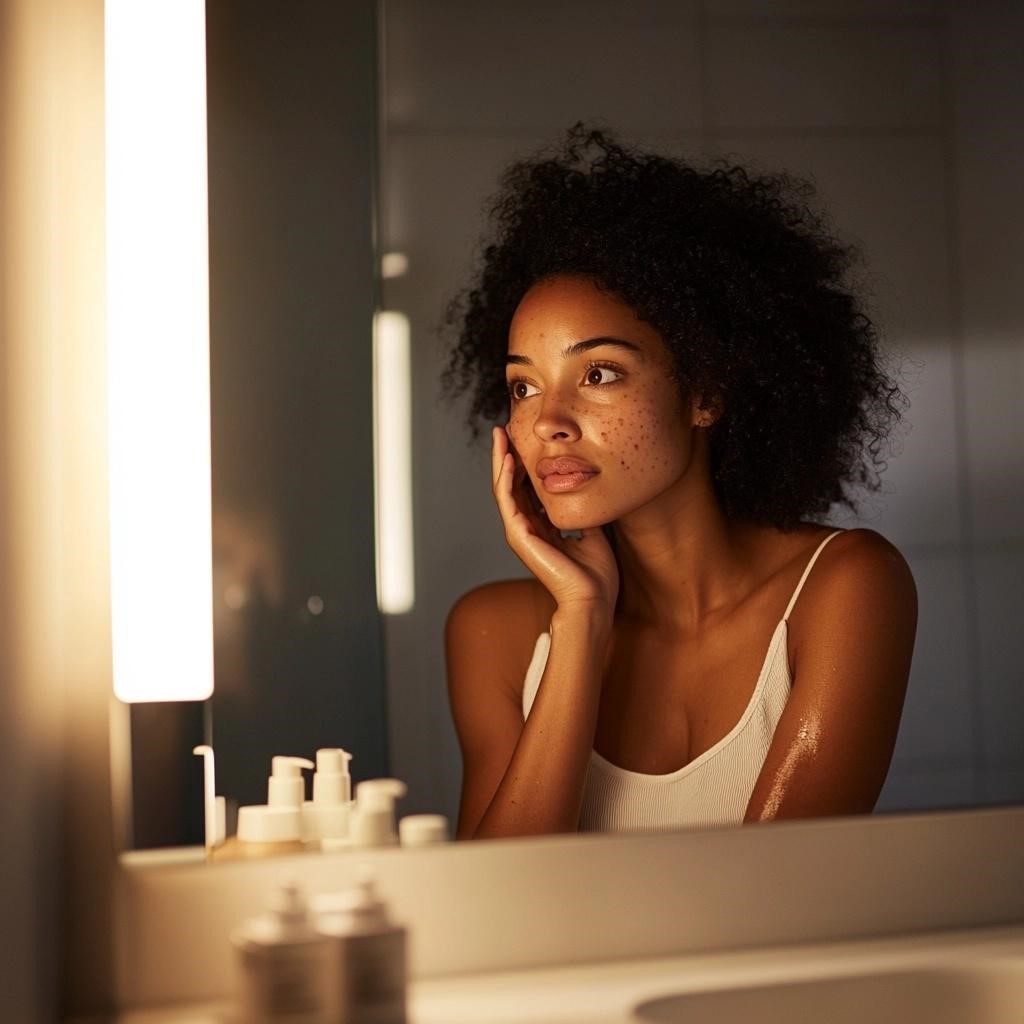
Waking up to a new pimple – especially before a big day – is frustrating. Acne is something most people deal with at some point, especially between the ages of 12 and 24. It’s not just about the breakouts; it can also affect confidence and self-esteem.
If you’re searching for the best acne treatment in San Gabriel, CA, understanding what causes acne and how to treat it can help you keep your skin clear and healthy.
What Causes Acne and Persistent Breakouts?
Acne is a multifaceted skin condition resulting from the interplay of various internal and external factors. Understanding these causes is essential for effective prevention and treatment. The primary contributors to acne include:
1. Excess Sebum Production
Sebaceous glands in the skin produce an oily substance called sebum, which helps lubricate and protect the skin. Overproduction of sebum can lead to clogged pores, creating an environment conducive to acne development. Hormonal fluctuations, particularly during puberty, can stimulate these glands to produce more sebum. Elevated levels of androgens, male hormones present in both males and females, are often responsible for this increase.
2. Clogged Hair Follicles
The skin continuously sheds dead cells, which can combine with sebum to form a plug within hair follicles. This blockage prevents normal oil drainage and creates an ideal environment for bacterial growth. Factors contributing to clogged follicles include excessive sebum production and abnormal shedding of skin cells.
3. Bacterial Proliferation
Cutibacterium acnes (formerly Propionibacterium acnes) is a bacterium commonly found on the skin. When hair follicles become clogged, these bacteria can multiply rapidly, leading to inflammation and the formation of acne lesions. The presence of C. acnes contributes to the redness and swelling characteristic of inflammatory acne.
4. Inflammation
The body’s immune response to bacterial overgrowth and clogged follicles results in inflammation. This response manifests as redness, swelling, and discomfort associated with acne lesions. Chronic inflammation can lead to more severe forms of acne and potential scarring if not properly managed.
5. Hormonal Fluctuations
Hormonal changes, especially during puberty, menstruation, pregnancy, and conditions like polycystic ovary syndrome (PCOS), can influence sebum production and exacerbate acne. Increased androgen levels stimulate sebaceous glands, leading to excessive oil production and potential acne development.
6. Dietary Factors
Emerging research suggests that certain dietary choices may influence acne severity. High-glycemic diets, rich in sugars and refined carbohydrates, can lead to insulin spikes, potentially increasing sebum production and inflammation. Dairy products have also been implicated in some studies, though findings are not conclusive. Monitoring individual dietary responses can be beneficial in managing acne.
7. Genetic Predisposition
Genetics play a significant role in an individual’s susceptibility to acne. A family history of acne can increase the likelihood of developing the condition, suggesting that inherited factors influence sebum production, skin cell turnover, and inflammatory responses.
8. Stress
While stress does not directly cause acne, it can exacerbate existing conditions. Stress triggers the release of cortisol and other hormones, which may increase sebum production and inflammation, leading to flare-ups in individuals already prone to acne.
9. Medications
Certain medications, such as corticosteroids, lithium, and some anticonvulsants, have been associated with acne development as a side effect. These drugs can alter hormonal balances or provoke inflammatory responses, contributing to the formation of acne lesions.
10. Cosmetic Products
The use of heavy or oil-based cosmetic products can clog pores, leading to a type of acne known as acne cosmetica. Opting for non-comedogenic skincare and makeup products can help prevent pore blockage and reduce the risk of developing acne associated with cosmetic use.
Acne Treatment Options for Clearer, Healthier Skin
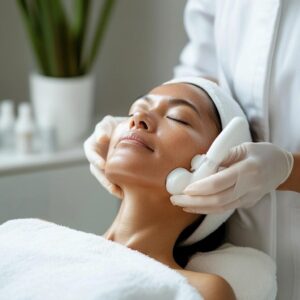
Clear, healthy skin doesn’t happen overnight – it requires a thoughtful approach and the right habits. From establishing a solid skincare routine to making smart lifestyle choices, these 10 expert-backed tips will help you achieve and maintain a glowing complexion.
1. Start With a Gentle Acne Skincare Routine
Establishing a consistent skincare routine is foundational in managing acne.
Gentle Cleansing
Begin with gentle cleansing: wash your face twice daily using a mild, non-abrasive cleanser. This practice helps remove dirt, excess oil, and dead skin cells without stripping the skin’s moisture barrier.
Opt for non-comedogenic products that won’t clog pores, as clogged pores contribute to breakouts and acne scars.
Avoid Over-Cleansing
Over-cleansing can lead to skin irritation and increased oil production, exacerbating acne. A balanced approach helps maintain skin smoothness and overall health without worsening dryness or redness.
2. Over-the-Counter Acne Ingredients: Benzoyl Peroxide and Salicylic Acid
If your skincare routine isn’t enough to keep breakouts under control, over-the-counter treatments can provide an extra boost.
Benzoyl Peroxide Products
Benzoyl peroxide is a highly effective ingredient that reduces bacteria and inflammation, helping to treat mild acne.
Available in various forms, including gels and creams, it clears existing breakouts and prevents new ones. Many users on Yelp.com have shared testimonials about the effectiveness of benzoyl peroxide in treating acne.
Salicylic Acid Applications
Salicylic acid is another widely used acne treatment. This beta-hydroxy acid exfoliates the skin, unclogs pores, and helps diminish enlarged pores.
It’s a great option for those experiencing uneven skin tone or mild acne spots. Incorporate it cautiously to avoid excessive dryness.
3. Topical Retinoids for Clogged Pores and Acne Prevention
For a more advanced approach to acne treatment, topical retinoids can be a game-changer.
Benefits of Retinoids
Retinoids help treat acne by promoting cell turnover and preventing clogged pores. They are also used for anti-aging benefits, reducing fine lines and wrinkles.
Regular use can improve skin texture, diminish hyperpigmentation, and stimulate collagen production.
Usage Guidelines
Apply a pea-sized amount to clean, dry skin at night. Because retinoids increase sun sensitivity, always use sunscreen during the day to protect against sun damage.
4. Explore Professional Treatments in San Gabriel, CA
For those seeking advanced acne treatment, DSC Laser & Skin Care Center in San Gabriel offers laser treatments that reduce acne-causing bacteria and inflammation.
Laser therapy is highly effective for those struggling with stubborn acne and post-acne scars.
HydraFacial and Microneedling Treatments
HydraFacial treatments cleanse, exfoliate, and hydrate the skin, helping to improve skin clarity and texture. Microneedling, another popular treatment, stimulates collagen production and minimizes acne scars.
Many clients’ testimonials highlight the effectiveness of these non-invasive procedures in improving their skin’s appearance.
Comprehensive Acne Treatment Solutions
At DSC Laser & Skin Care Center, we understand that acne is influenced by various internal and external factors, including excess oil production, hormonal imbalances, and improper cleansing. To effectively manage acne-prone skin, we offer a combination of in-office treatments and at-home skincare solutions designed to restore balance and improve skin health.
Our professional acne treatments include highly effective facials, dermabrasion services, and a curated selection of at-home skincare products:
- Beauty Soufflé – A powerful pH-balanced facial cleanser designed for normal to oily and blemish-prone skin. It dissolves excess sebum and softens tap water to prevent pore-clogging.
- Beauty Astringent – An effective toner that combats bacteria, regulates oil production, and helps dry up blemishes for clearer skin.
- Acne Control Lotion – Ideal for very oily and blemished skin, this lotion contains Vitamin B Complex to normalize pH levels and regulate sebum production.
- Elegant C – A Vitamin C concentrate enriched with Vitamins A and E, formulated to smooth fine lines, firm skin, reduce redness, and even out skin tone.
- Acne Cover Cream – A lightly tinted treatment that helps dry and heal blemishes while providing subtle camouflage.
Whether you’re looking for advanced in-office procedures or effective at-home skincare, DSC Laser & Skin Care Center offers a holistic approach to acne treatment, helping you achieve clearer, healthier skin.
5. When Medical Acne Treatment or Dermatology Care May Be Needed
If OTC treatments aren’t enough, prescription medications like antibiotics or hormonal therapy can help tackle stubborn acne.
Oral Antibiotics
For moderate to severe acne, dermatologists may prescribe oral antibiotics to reduce inflammation and bacterial growth. These treatments for acne are often combined with topical treatments to enhance effectiveness.
Hormonal Treatments for Women
Hormonal fluctuations can trigger breakouts. For women, oral contraceptives or anti-androgen medications may help regulate hormones and reduce breakouts. A consultation with a board-certified dermatologist can determine the best approach for your skin’s needs.
6. Implement Lifestyle Modifications
Your daily habits play a big role in skin health. Simple lifestyle changes can help reduce breakouts and improve your complexion.
Dietary Adjustments
A diet high in refined sugars and dairy can contribute to breakouts. Incorporate more fruits, vegetables, and lean proteins to support overall health and combat acne.
Stress Management Techniques
Stress can lead to breakouts. Practicing mindfulness, exercising regularly, and ensuring adequate sleep can improve skin conditions and minimize flare-ups.
7. Practice Proper Hygiene Habits
Good hygiene is essential for clear skin. Small hygiene habits can prevent bacteria buildup and reduce breakouts.
Regularly Change Pillowcases and Towels
Changing pillowcases and towels frequently prevents bacteria buildup. This simple step can reduce acne and improve skin clarity.
Avoid Touching Your Face
Touching your face transfers oils and bacteria, clogging pores and leading to breakouts. Avoid this habit to help reduce acne.
8. Choose Non-Comedogenic Products
Selecting the right products is key to preventing acne. Opting for non-comedogenic skincare helps keep pores clear and reduces breakouts.
Skincare and Makeup Selections
Use non-comedogenic products that won’t clog pores. Many skincare needs, including acne-prone skin, can benefit from oil-free and fragrance-free formulas.
Hair Care Considerations
Hair products containing oils or heavy fragrances can affect facial skin. Keeping hair clean and away from your face can prevent unwanted breakouts.
9. Stay Hydrated and Protect Your Skin
Maintaining clear skin requires both internal and external care. Staying hydrated and using proper sun protection can help reduce breakouts and support overall skin health.
Importance of Hydration
Drinking enough water daily supports skin elasticity and hydration, reducing oiliness and breakouts. Hydration helps maintain an even skin tone and healthy skin.
Use of Sunscreen
Sun exposure can worsen acne scars and hyperpigmentation. Use a broad-spectrum, oil-free sunscreen to protect against UV rays and minimize sun damage.
10. Seek Professional Guidance When Necessary

If acne remains stubborn despite your efforts, seeking professional guidance can provide targeted solutions for clearer skin.
Consulting a Specialist
If acne persists despite OTC treatments and lifestyle changes, consulting a board-certified skin specialist in San Gabriel can provide a customized treatment plan tailored to your skin type and concerns.
Customized Treatment Plans
Skin conditions vary, and what works for one person may not work for another. Professional treatments can complement your skincare routine. FDA-approved procedures help minimize acne and improve overall skin tone.
Acne Treatment FAQs for San Gabriel Patients
1. How to clear acne fast?
The fastest way to improve acne depends on the type and severity of the breakout. Mild acne may respond to benzoyl peroxide, salicylic acid, gentle cleansing, and avoiding pore-clogging products, while stubborn or inflamed acne may need professional evaluation. If you need clearer skin before an event, schedule a consultation so DSC can recommend a safe short-term and long-term plan.
2. What if my acne is not going away?
If acne is not going away after consistent home care, it may be time for a professional acne evaluation. Persistent breakouts can be related to oil production, clogged pores, hormones, product irritation, bacteria, inflammation, or scarring risk. DSC can assess your skin and recommend in-office treatments, skincare changes, or referral for medical acne care when appropriate.
3. Can acne stop by itself?
Mild acne may improve over time, but persistent, painful, cystic, or scarring acne often needs treatment. Waiting too long can increase the risk of post-acne marks, uneven texture, and acne scars. A customized treatment plan can help control active breakouts and protect long-term skin clarity.
4. What does stress acne look like?
Stress-related acne often appears as inflamed breakouts on areas like the forehead, cheeks, chin, or jawline. Stress may worsen existing acne by affecting hormones, inflammation, sleep, and skin habits. Managing stress can help, but persistent breakouts may still need professional acne treatment.
5. What professional acne treatments are available in San Gabriel?
Professional acne treatments in San Gabriel may include acne-focused facials, chemical peels, laser or light-based treatments, microneedling for acne scars, skincare product planning, and provider-guided treatment plans. The best option depends on whether you have active breakouts, clogged pores, redness, dark marks, or acne scars.
6. Is laser acne treatment right for me?
Yes, acne scars can often be improved after active breakouts are controlled. Options may include microneedling, laser resurfacing, Pico laser, chemical peels, or combination treatments depending on scar type, skin tone, and downtime tolerance.
7. Can acne scars be treated after breakouts clear?
Stress-related acne often appears as inflamed breakouts on areas like the forehead, cheeks, chin, or jawline. Stress may worsen existing acne by affecting hormones, inflammation, sleep, and skin habits. Managing stress can help, but persistent breakouts may still need professional acne treatment.
8. What is the difference between acne scars and post-acne dark spots?
Acne scars are texture changes such as pitting, indentations, or raised areas, while post-acne dark spots are color changes left after inflammation. Dark spots may respond to peels, skincare, sunscreen, or pigment-focused treatments, while true scars often need collagen-stimulating treatments.
9. How much does acne treatment cost in San Gabriel?
Stress-related acne often appears as inflamed breakouts on areas like the forehead, cheeks, chin, or jawline. Stress may worsen existing acne by affecting hormones, inflammation, sleep, and skin habits. Managing stress can help, but persistent breakouts may still need professional acne treatment.
10. Should I choose a facial, chemical peel, or laser treatment for acne?
A facial may help with cleansing, hydration, and clogged pores; a chemical peel may help with acne-prone texture and post-acne marks; and laser or light-based treatment may be considered for inflammation, redness, scars, or pigmentation. The right choice depends on your skin type, acne severity, and goals.
Schedule an Acne Treatment Consultation in San Gabriel
Achieving clearer, healthier-looking skin often requires a personalized approach that combines proper skincare, professional treatments, and healthy lifestyle habits. If you’re struggling with persistent acne or feeling overwhelmed by the many treatment options available, professional guidance can make all the difference.
At DSC Laser & Skincare Center, our team can help you explore the best solutions for your unique skin concerns during an Acne Treatment Consultation in San Gabriel. We’ll evaluate your skin, discuss your goals, and recommend a customized treatment plan designed to support long-term results.
Ready to take the next step? Contact us today to schedule your free acne treatment consultation and learn more about your acne treatment options.